Alps Village to Village Hiking
The Eiger Trail, Iconic Matterhorn & Mont Blanc



Highlights:
- Take in the quintessential "must-sees" of the Alps — perfect for every avid hiker
- Traverse spectacular mountain passes and alpine trails with an all-star guiding team
- Marvel at sweeping views of majestic glaciers, including the unmissable mountain panorama from the Gornergrat
Important Trip Details:
This trip is designed for frequent hikers who want to experience the magnificence of the Alps without tackling the most extreme routes the region can demand. You should be able to walk 7-10 miles with 2000' - 3000' of elevation per day. You do not need to be a great athlete to do this tour, but being in good shape is essential to enjoying the experience fully.
Minimum Age: 18
- Adventure and Active
- Hiking and Trekking
| Additional Offers |
ID: 8912317
|
ID: 10781501
|
ID: 10781502
|
ID: 10781503
|
ID: 10781504
|
ID: 10781505
|
ID: 10781506
|
ID: 10781507
|
ID: 10781508
|
|---|---|---|---|---|---|---|---|---|---|
|
|
|
|
|
|
|
|
|
|
|
|
ID: 8912317
|
ID: 10781501
|
ID: 10781502
|
ID: 10781503
|
ID: 10781504
|
ID: 10781505
|
ID: 10781506
|
ID: 10781507
|
ID: 10781508
|
Reason #01
MT Sobek has been leading Alps adventures for over 50 years and we know the best village-to-village routes in this magnificent mountain range.
Reason #02This well-crafted itinerary covers the must-see Alps in only 10 days, including the iconic peaks of the Eiger, Matterhorn and Mont Blanc, with comfortable stays in three charming Alpine villages.
Reason #03We work with professional local guides, who are truly the best in the Alps. Many of our Alps-loving guests return to hike with them year after year!
ActivitiesScenic gondola and train rides, hiking 3-7 hours per day through pristine alpine scenery, and leisure time in picturesque villages and towns.
LodgingPleasant 3-star accommodations in gorgeous surroundings, and lovely hotels complete with saunas, Jacuzzis, and swimming pools.
ClimateThe weather in the Alps is always unpredictable. We could encounter snow in the morning and sun in the afternoon.
Trip OverviewWhat makes MT Sobek’s Alps Village to Village Hiking trip unique?
This adventure masterfully links the Alps' most legendary peaks—the Eiger, the Matterhorn, and Mont Blanc—into one perfectly paced adventure. Experience a blend of world-class hiking and refined alpine charm as you traverse the most iconic landscapes in Switzerland and France. MT Sobek's 50+ year history in the Alps means deep expertise and extensive experience informs every step of the adventure.
Ultimate Alpine Trilogy: Seamlessly connects three crown jewels of the Alps—Grindelwald, Zermatt, and Chamonix—offering an unrivaled perspective of the Eiger, Matterhorn, and Mont Blanc, all in one unforgettable experience.
Activity Plus Comfort: Pairs exhilarating days on classic alpine paths with the warm hospitality of charming village hotels, where you can enjoy the regional culture and cuisine while relaxing at the end of each perfectly paced and thoroughly rewarding day.
Local Expertise: Guided by expert local leaders who manage every detail with precision, you are free to fully immerse yourself in the vibrant mountain culture and stunning scenery easily.
June through September offers peak trail accessibility and the vibrant energy of mountain towns in trekking season, and our departures are perfectly timed to coincide. This carefully selected window ensures the ideal balance of favorable trail conditions, local services, and a lively atmosphere.
Early Season—June: Experience the Alps at their most lush and vibrant, with trails framed by brilliant green meadows and early-season wildflowers.
Mid-Summer—July and August: Bask in the lively, sun-drenched mountain scenery of summer—the quintessential time for hiking in the Alps.
Late Summer—September: Discover a quieter, more intimate side of the Alps with crisp, cool mornings and fewer other visitors as the seasons transition.
The typical group size for this trip is between 4 and 16 guests, creating an experience that feels personal, relaxed, and thoughtfully paced. Small group travel allows us to share moments that make a journey truly memorable.What is the minimum age for this trip?
The standard minimum age for this trip is 18. This itinerary is designed with adult travelers in mind, based on daily activity levels, accommodations, and overall group experience. Families or groups with children please check out our private departures .
What makes this a Level 3 trip?This tour features consecutive days of high-alpine hiking that require a steady level of endurance. It is designed for fit hikers who enjoy the rewarding challenge of hiking through some of the most spectacular, rugged terrain in the Alps.
Sustained Daily Distances: Guests should expect to cover an average of five to nine miles most days for immersive exploration.
Significant Vertical Gains: Each day presents rewarding climbs and descents, typically ranging from 1,500 to 2,500 feet of elevation change.
Alpine Terrain: Routes follow mountain trails that can be rocky, uneven, muddy, or slippery, requiring confident footing, balance and a spirit of adventure.
Consecutive Hiking Days: Arriving fit and prepared for the physical demands of back-to-back hiking days in variable mountain weather is key to your enjoyment of the trip.
We plan the itinerary carefully, but adjustments may be needed due to weather, trail conditions, or other factors. MT Sobek and our guides make thoughtful decisions when needed in real time to keep the experience safe and enjoyable, and any significant changes will be communicated as early and as clearly as possible.Arriving and Departing
Where does the trip start and end?
The trip starts and ends in Geneva, Switzerland, with overnight stays in Grindelwald, Zermatt, and Chamonix along the way.What airport should I fly into and out of?
You'll fly into and out of Geneva International Airport (GVA).When should I book my flights?
Once your reservation with MT Sobek is finalized, we'll notify you of your trip's status. After your departure is confirmed to operate, flights and travel arrangements may be purchased. While we can often confirm departures in advance, some decisions may be finalized closer to final payment.When should I plan to arrive and depart?
Once your booking is finalized with MT Sobek and your trip has been confirmed to operate, flights may be purchased. If you are unsure of the status of your trip, be sure to check with your Adventure Coordinator prior to booking non-refundable flights.
Arrival: Plan to arrive in Geneva by 1:00 pm on Day 1 to join the scheduled 2:00 pm group transfer from Geneva International Airport (GVA) to Grindelwald. We recommend arriving at least one day early, when possible, to allow for international travel delays, time zone adjustment, and a smoother start to the trip.
Departure: Plan to depart from Geneva after 11:45 am on Day 10. The provided group transfer departs Chamonix at 8:30 am and arrives at Geneva International Airport (GVA) around 10:00 am.
After clearing customs and collecting your luggage at Geneva International Airport (GVA), you'll meet your driver in the Arrivals Hall for the 2:00 pm group transfer to Grindelwald. You'll have time to settle in before a trip orientation and welcome dinner. Final meeting details will be confirmed in your Final Details.What hotels do you recommend if I arrive early or stay late?
When possible, we recommend staying at the group hotels for the smoothest logistics. For 2026 our group stays at Hotel Kirchbuehl in Grindelwald and at Lykke Hotel & Spa Chamonix in Chamonix. For 2027 departures, contact your Adventure Coordinator for hotel information.
Extra nights must be booked directly with the hotel. While we'll do our best to keep you in the same room once the group stay begins, this can't be guaranteed, as room assignments are finalized closer to departure.
If you plan to stay in Geneva before or after the trip, central Geneva options include Hotel Royal and Hotel Edelweiss , which are a 15- to 20-minute taxi ride from the Geneva airport. Convenient options near the airport include Movenpick Hotel Geneva , Holiday Inn Express Geneva Airport , and Crowne Plaza Geneva . There is a train service from the airport to central Geneva.
A valid passport is required to enter Switzerland and France. Most countries require that passports be valid for at least six months beyond the end of your trip and contain at least one blank page for entry stamps. US citizens do not need a visa for stays under 90 days. Non-citizens should consult their local embassy or consulate to confirm current entry requirements.Transportation and Transfer
Are airport transfers included?
Yes. One scheduled group transfer is included on arrival from Geneva International Airport (GVA) to Grindelwald on Day 1 and Chamonix back to Geneva International Airport (GVA) at the end of the trip, Day 10.Can MT Sobek help arrange a private transfer?
Transfers outside those noted above are not included and must be arranged on your own. You can make arrangements to transfer by train between Geneva and Grindelwald, or returning from Chamonix to Geneva, through the SBB Official Website or through the website Trainline .
How much time will we spend in vehicles during the trip?Most days are activity-focused, with hiking as the main emphasis. Short vehicle transfers are used as needed to connect villages, trailheads, and scenic rail or gondola routes.Are there any especially long travel days?
Transfers are generally moderate and built into the itinerary design. On Day 1, the group transfer from Geneva to Grindelwald takes approximately 3 hours.
On Day 4, the transfer between Grindelwald and Zermatt takes about 3.5 hours, with a stop along the way for an exceptional gondola ride and hike.
On the final day, the return transfer from Chamonix to Geneva Airport (GVA) takes approximately 1.5 hours. These few longer transfers help connect the key regions of the Alps featured on this trip.
How difficult is the hiking on Alps Village to Village Hiking?
This trip is designed for active travelers who enjoy the reward of multiple consecutive days on the trail. You'll experience a classic mix of steady climbs and descents that reveal the very best of the Alps, making consistent physical preparation an important part of your journey.
Sustained Daily Activity: Expect full, invigorating days with three to seven hours of active hiking, allowing you to fully inhabit the magnificent landscapes between villages.
Varied Alpine Terrain: Enjoy a beautiful variety of terrain showcasing the diverse splendor of the Alps, from gentle forest paths to high alpine trails that can be rocky, uneven, muddy, or slippery. Some trails have sections with large steps.
Challenging Climbs and Descents: Trails feature sustained elevation gains and descents with regular steep sections ranging from 1,500 to 2,500 feet most days.
Prior hiking experience is essential. Guests should be comfortable hiking for several hours on uneven terrain and managing both uphill and downhill sections over multiple days back-to-back.
How should I train or prepare for Alps Village to Village Hiking?Building a strong cardio base is essential for this trip. We recommend giving yourself several months to prepare, with regular aerobic exercise such as hiking, brisk walking, cycling, stair climbing, or similar activities that elevate your heart rate. Aim for consistency—multiple workouts per week are more effective than occasional long efforts.
Hiking is the most important form of preparation. Whenever possible, train on hilly or mountainous terrain to simulate the sustained ascents and descents that you will experience on the trail. If hills aren't available, stair machines or repeated stair climbing are good alternatives. Downhill conditioning is important, as long descents can be just as demanding as climbs.
Training with a loaded daypack will help build strength and endurance. Start with a light pack and gradually add weight as your trip approaches, making sure it's carried comfortably and doesn't strain your back or shoulders. Trekking poles are strongly recommended for this itinerary—if you plan to use them, practice hiking with poles during training.
Equally important is breaking in your gear. Train in the hiking boots, socks, and pack you'll use on the trip, so everything feels familiar and comfortable by your departure date.
Consistent, well-rounded preparation will make the long days more enjoyable and allow you to fully focus on the experience once you're on the trail.
This is not a technical climbing trip, but there are sections of narrow trails, rocky footing, and occasional exposure. Guides carefully manage pacing and route choices to maintain safety.
Can I hike at my own pace?Guests hike as a group, led by expert guides who manage the pace with regular breaks. This approach ensures that everyone can hike comfortably while maintaining safety and group cohesion throughout the journey.
What if I want to skip a day?Options to shorten or skip hiking vary by day and location. There are opportunities for rest days in each of the three villages you'll be staying at on this trip. Your guides will help assess what is possible based on each day's plan.
How much free time will I have?This trip was designed with full hiking days, but evenings typically offer time to relax, explore the village, and enjoy a leisurely dinner. Some afternoons may include downtime depending on the day's route and conditions.Accommodations and Meals
What should I expect from accommodations on this trip?
Accommodations are a mix of comfortable 3- and 4-star Alpine hotels, chosen for location and character. Rooms and beds may be smaller than some guests are used to, and many properties do not have air conditioning. Many hotels feature wellness amenities such as saunas or pools to enjoy and unwind after a day on the trail. Your hotel information is confirmed in your Final Details.Will I have access to Wi-Fi and electricity?
Wi-Fi and electricity are available at the hotels, though Wi-Fi connection quality can vary in mountain regions.What meals are included?
All breakfasts and lunches and most dinners are included as outlined in the itinerary. You'll have one dinner on your own in each of the villages so you can tailor your experience, choosing from the many outstanding options available to suit your own taste.
What is the food like on Alps Village to Village Hiking?The food on this trip reflects classic Swiss and French Alpine cuisine, and is built around fresh, regional ingredients. Breakfasts are hotel buffets with breads, cereals, yogurt, fruit, cheese, cold cuts, juice, coffee, and tea. Lunches are typically picnic-style and enjoyed on the trail, including sandwiches, fruit, snacks, salad, and chocolate. Dinners are usually served at the hotel or a nearby restaurant and are generally three courses, featuring dishes such as hearty soups, pasta, sausages, cured meats, salads, fresh bread, and local cheeses. A limited amount of beer and wine selected by your guides is included at the welcome and farewell dinners, with additional alcohol available for purchase.
Can you accommodate dietary restrictions?Yes, we can accommodate many common dietary restrictions on this trip with advance notice. Let us know about your dietary restrictions and food allergies as soon as possible, so we can coordinate with guides, hotels, and restaurants. Common dietary restrictions, including vegetarian, vegan, and gluten-free, can be successfully managed on this itinerary. Please also list these on your Participant Information Form.
Are single rooms available?Yes, a limited number of single rooms are available on this trip. About a third of our travelers go solo, and single room inventory often books up quickly! Single rooms on this trip sometimes use single beds, which is typical of the region, and single pricing is adjusted to reflect that. You can find more information on solo traveler options here .
Are triple rooms available?Triple rooms are not offered on this trip to ensure all accommodations meet MT Sobek standards for your comfort.
Packing and GearWhat should I pack for Alps Village to Village Hiking?
Focusing on high-quality essentials like sturdy boots, a supportive daypack, and a versatile layering system will help you stay comfortable through the range of dynamic weather typical of the Alps.
Sturdy Footwear: Hiking boots with ankle support and a solid, high-traction sole are key to confidently navigating rocky and uneven alpine trails. Purchase your boots well in advance of the trip and train in them consistently to reduce the chance of blisters.
Comfortable Daypack: A daypack with a hip belt and 25 to 35 liters of capacity for snacks, lunch items, water, and extra layers is key. Train with the daypack you'll use on the trip for maximum comfort and bring a well-fitted waterproof pack cover if one is not built-in to your daypack.
Weather Protection: Waterproof, breathable rain gear, including a jacket and pants, is a must, acting as your primary shield against the unpredictable shifts in mountain weather. A warm hat and gloves are needed, as snow is possible at higher altitudes even in summer.
Versatile Layering System: Pack warm layers including a fleece or down jacket to easily adjust for temperature changes. Synthetic and wool clothing is preferred over cotton, as it stays warm when wet and dries more quickly.
Sun protection: Protect yourself from sun exposure with quality sunglasses, a hat, and sunscreen, ensuring you stay comfortable throughout the day.
Be sure to review the full Packing List provided for the trip. You may or may not need to use all the items that we recommend, depending on the conditions you encounter on your trip, but it is important to have them available in case they are needed.
Trekking poles are strongly recommended, especially for long descents and uneven terrain, but they are not required. We recommend you train with the poles you will bring and use on the trip. Trekking poles are not typically allowed in your carry-on bag and if so, should be packed in your checked luggage. Trekking poles are not provided on this trip. No technical climbing gear is required.
What size daypack should I bring?A 25- to 35-liter daypack is ideal for carrying water, snacks, lunch items, extra layers, rain gear, and personal items.Can I bring more than one bag?
Guests should plan to bring one main piece of luggage and a daypack. Because vehicle space is limited, packing efficiently is important. On this itinerary, luggage transfer is included, meaning your bags are moved from hotel to hotel while you hike—so you can focus on the trail, not your gear.Are there any seasonally required items?
Mountain weather can change quickly at any time of year, so full rain protection and warm layers are essential throughout the season, as are a warm hat and gloves. Early and late season departures may encounter colder temperatures, especially at higher elevations.What kind of footwear should I bring for this trip?
Sturdy, waterproof hiking boots with good traction and ankle support are essential due to rocky, uneven, and sometimes wet trails. Purchase your boots well in advance of the trip and train in them consistently to reduce the chance of blisters.
Will I have access to laundry during the trip?Laundry service is available at Hotel Kirchbuehl and Hotel Bella Vista, where the group stays during nights 1 through 6 of the trip. There are also self-service laundromats in Chamonix. Availability, pricing, and turnaround times vary by property. Some guests also bring a small amount of travel-friendly detergent for hand-washing smaller items in your room if necessary.Should I bring a personal medical kit?
Yes. Your guide will also carry a first aid kit, but we recommend you bring your own supply of basics such as blister care, anti-inflammatory medication such as ibuprofen, adhesive bandages, sunscreen, lip protection, and electrolytes to have handy. Please bring a sufficient supply of your personal medications.
On-the-Ground Travel TipsWhat is the weather like for hiking in the Alps by month?
Weather in the Alps is dynamic, varying by elevation and location with conditions that can shift at a moment's notice. You'll experience the full spectrum from brilliant sunshine to brisk winds and possible rain or even snow, making a versatile layering system key to your enjoyment of the trip.
The average daytime temperatures below are typical of the valleys visited on this trip. While hiking, the temperature typically drops by about 3.6°F for every 1,000 feet in elevation gained. This means a comfortable 70°F afternoon in the Chamonix Valley can be a brisk 55°F or even lower at higher altitudes.
Early Summer—June: Expect fresh, cool starts with daytime highs in the valleys often near 60 to 65°F.
Mid-Summer—July and August: These are traditionally the warmest months, with inviting daytime highs in the mid- to upper 60s°F and occasional peaks in the low 70s°F in the valleys—ideal for trekking.
Late Summer—September: Look forward to crisp mornings and daytime temperatures ranging from the upper 50s to low 60s°F in the valleys.
Dynamic Shifts: Conditions change quickly at higher elevations, where it's common to encounter sun, wind, rain or even snow, and cooler temperatures all in a single day. In wet or windy conditions, mountain temperatures can swiftly drop into the 30s to 40s°F, underscoring the importance of having your waterproof shell and insulating mid-layers easily accessible in your daypack. Equally possible is the occasional summer heatwave, where temperatures can be significantly warmer than stated above. Be prepared for a wide range of conditions and check the weather in advance of your trip to help you best prepare.
Switzerland uses the Swiss Franc (CHF), while France uses the Euro (EUR). Credit cards are widely accepted throughout the trip, but it's still useful to carry some cash for small purchases, cafes, and mountain towns. ATMs are readily available in Geneva and in larger towns along the route, and many guests choose to withdraw cash upon arrival at the airport. Banks in Switzerland typically close around 4:30 pm on weekdays, and banks in France usually close around 5:00 pm. On some days, you may return to town after banks have closed, so it's helpful to plan ahead. While some places in Switzerland may accept Euros, Swiss Francs are preferred, and change is typically given in Francs. We recommend carrying small amounts of both currencies rather than large sums of cash.
Will I have cell service?Cell service is generally reliable in this region, though coverage can vary in the mountains. Check with your service provider for details. We recommend downloading important information for offline access.
Will I need electrical adapters or a voltage converter?Electricity in Switzerland and France is 220-240 volts. Switzerland primarily uses Type J plugs (with three round pins) and Type C plugs (two round pins). France uses Type E plugs (two round pins). A universal plug adapter can be useful for this. Many modern electronics support dual voltage, but you should check your devices and bring a voltage converter if necessary.How much extra money should I budget?
A general guideline is $600 to $800 for personal expenses such as drinks, souvenirs, laundry, meals on your own, and optional guide gratuities.How is tipping handled on this trip?
Tipping is optional and based on your satisfaction. For this international trip, we recommend tipping each guide the equivalent of $100 to $200 per guest.
Your trip is supported by at least one MT Sobek guide for every eight guests, and gratuities for hotel and restaurant staff are already included in your trip price.
Specific tipping recommendations for your departure will be outlined in your Final Details, which are sent about three weeks before the trip.
Please note that tips should be given in cash (Euros are preferred, Swiss Francs are also acceptable), as our local teams are unable to accept gratuities via credit card, checks, or payment apps. Tipping is always at your discretion and should reflect your personal level of satisfaction.
Do you recommend travel insurance?
Yes, we strongly recommend purchasing travel insurance for all trips. Travel insurance can help cover trip cancellations or interruptions, medical expenses, emergency evacuation, travel delays, and other unexpected situations.
We offer travel insurance with Arch RoamRight and will be happy to provide you with a quote. Please see our Travel Resources page for more information.
There is no standard required clearance from a doctor to participate in this trip. You will have an opportunity to discuss your fitness and preparedness for the trip with MT Sobek. If you have medical concerns or questions about fitness, consult your healthcare provider before traveling.What medical support is available during the trip?
Your guides are trained and certified UIMLA Professional Mountain Leaders and carry medical kits in case of emergencies. Medical facilities are available in towns but can be far from remote trail locations. See "Section I: Trail Support and Emergencies" below for more information.
What kinds of challenges should I expect on the Alps Village to Village Hiking trip?To get the most out of your trip, it is helpful to be prepared for the challenges of the trail, such as sustained elevation gains and losses, rocky or uneven terrain, and the variable weather typical of the Alps. Your guides are there to support you every step of the way, managing the daily pace, making adjustments based on conditions as needed, and sharing helpful info to help you stay comfortable and in high spirits.How can I stay healthy during the trip?
Staying healthy on this trip starts with good daily habits. Drink water regularly throughout the day, eat consistently during hikes, and pace yourself—especially on longer ascents and descents. Foot care is particularly important on a multi-day hiking trip: address hot spots early, keep feet clean and dry when possible, and carry blister care essentials. Bringing powdered electrolytes is helpful to replace minerals lost through sweat. Good hand hygiene, including carrying and using hand sanitizer, also goes a long way toward preventing illness.
Your guides monitor group well-being throughout the trip and can help adjust pacing, layering, and daily strategies to support your comfort and health.
What if I have an emergency and need to be evacuated?
In the event of an emergency, your guides will assess the situation and take appropriate action based on location, conditions, and available access. Your guides are trained and certified UIMLA Professional Mountain Leaders, trained in emergency response, and carry communication equipment to contact local services when needed. Methods of emergency evacuation will be based on location and available vehicle access. While this trip travels for the most part in locations that are not especially remote, you may need to travel on foot to reach an accessible pickup point for emergency evacuation unless it is impossible to do so. It is important to understand that access to medical facilities may be delayed, and evacuation whether by vehicle or other means can be complex, time-consuming, and expensive. For this reason, we strongly recommend purchasing travel insurance that includes medical evacuation coverage.Are bathrooms available on the trail?
Bathrooms are available at some trailheads, restaurants, and villages, but not everywhere. When facilities are not available, guides can provide information on Leave No Trace practices and how to answer nature's call in the outdoors responsibly, safely, and privately.What is the guide-to-guest ratio?
This trip typically operates with one guide for every eight guests, supporting safe pacing and attentive group management. A second guide will be added for larger groups.
Extensions and Local ExplorationAre trip extensions available before or after Alps Village to Village Hiking?
MT Sobek does not offer pre- or post-trip extensions for this itinerary. See below for recommendations for additional time on your own pre- and post-trip.What are the best things to do if I arrive early or stay late?
In Geneva, guests typically enjoy walking around Lake Geneva to the Jet d'Eau, taking a ferry ride, visiting the Palais des Nations or the Patek Phillipe Museum, and checking out one of the flea markets—a favorite is the Plainpalais Flea Market.
Many guests also enjoy exploring Chamonix on foot, riding the Aiguille du Midi cable car, visiting the Alpine Museum to learn about regional history, taking easy valley walks, visiting cafes and shops, and planning a relaxed buffer day to adjust to travel and time zone differences.
We also recommend considering these short visits and day trips that can be enjoyed from Geneva or Chamonix:
Annecy: 35 minutes from Geneva, 1.5 hours from Chamonix—A vibrant canal town on Lake Annecy with a colorful old town and alpine views.
Courmayeur: 35 minutes from Chamonix—A picturesque and walkable mountain town with outstanding shops, restaurants, hikes, and alpine views.
Lausanne: 40-45 minutes from Geneva—Home to the Olympic Museum, with a historic old town, cathedral, and lakeside promenade.
Montreux & Chateau de Chillon: 1?1.5 hours from Geneva—A lakeside resort town, scenic promenade, and iconic medieval castle.
Nyon: 15-25 minutes from Geneva—A charming lakeside town with castle views, Roman ruins, and a relaxed atmosphere.
Bern: 2 hours from Geneva—A UNESCO-listed Old Town, medieval arcades, clock tower, and Bear Park.
Gruyeres: 2 hours from Geneva—A medieval village, Gruyeres Castle, cheese dairy, and nearby chocolate factory.
Inclusions
Expertise and services of our experienced adventure guides
All accommodations as noted in the itinerary
All breakfasts, almost all lunches and dinners as noted in the itinerary
Snacks and water between meals
Additional regional guides and experts on many trips
Comprehensive Trip Planner with detailed pre-trip information
Private guided tours at historic sites, museums, wineries and other select attractions as noted in the itinerary
Special events and other select attractions as mentioned in the itinerary
All gratuities at hotels and restaurants
Equipment and experienced guides for activities as described in the itinerary
Park and other entry fees (unless otherwise noted)
Fares for trains, ferries and other modes of travel as listed in the itinerary
Select transfers as mentioned in the itinerary
Baggage transfers and porterage
Exclusions
International airfare, airport taxes, and excess baggage fees
Alcoholic beverages (MT Sobek provides wine at select events)
Gratuities for MT Sobek guides and guide-drivers
Travel Protection Program
Personal expenses
Day: 1, duration: 3
Hotel Kirchbuehl
Situated in a calm setting amidst the towering Swiss Alps, this hotel offers very cozy chalet-style accommodations. Travelers can look out onto the UNESCO Heritage Jungfrau Aletsch, and enjoy delicious Bernese cuisine with high quality ingredients from the region. It was recently rated in the top 10 for "Best Family Hotels in Switzerland". The spa is impeccable with a Finnish sauna, steam bath, and bubble bath along with an indoor pool and fitness center. Hotel Kirchbuhl is a wonderful place to refresh the body and spirit!
Day: 4, duration: 3Hotel Bella Vista
The Hotel Bella Vista is a beautiful family owned and operated retreat with magnificent views of the Alps, including the Matterhorn. Rooms feature modern design and wellness amenities. The onsite spa includes saunas and a steam room, perfect for unwinding after a day of hiking through beautiful alpine scenery.
Day: 7, duration: 3Lykke Hotel and Spa Chamonix
Designed to wrap guests in a soothing slow travel experience, Lykke Hotel & Spa is a 4-star property nestled at the foot of Mont Blanc. Rooms are decorated to bring nature inside and feature balconies, most with a mountain view. The restaurant uses local and natural ingredients inspired by traditional Scandinavian style. An indoor pool, sauna, hammam, and herbal tea room invite further relaxation.
Sebastien Gros
Born and raised in Chamonix, Seb took his first steps on the trails of the Alps. He has been guiding through their stunning meadows and mountains since 2019. A trusted MT Sobek leader for many years, his passion for the region and knowledge of Alpine flora and fauna is inspiring. He teaches Chamonix high school students the skills needed to become a mountain guide and is himself an International Mountain Leader.

Our groups are intentionally kept small to allow for a deeper experience with the people and wildlife you encounter on the way. It also allows us to take advantage of the many unexpected invitations and opportunities that would be impossible with larger groups.
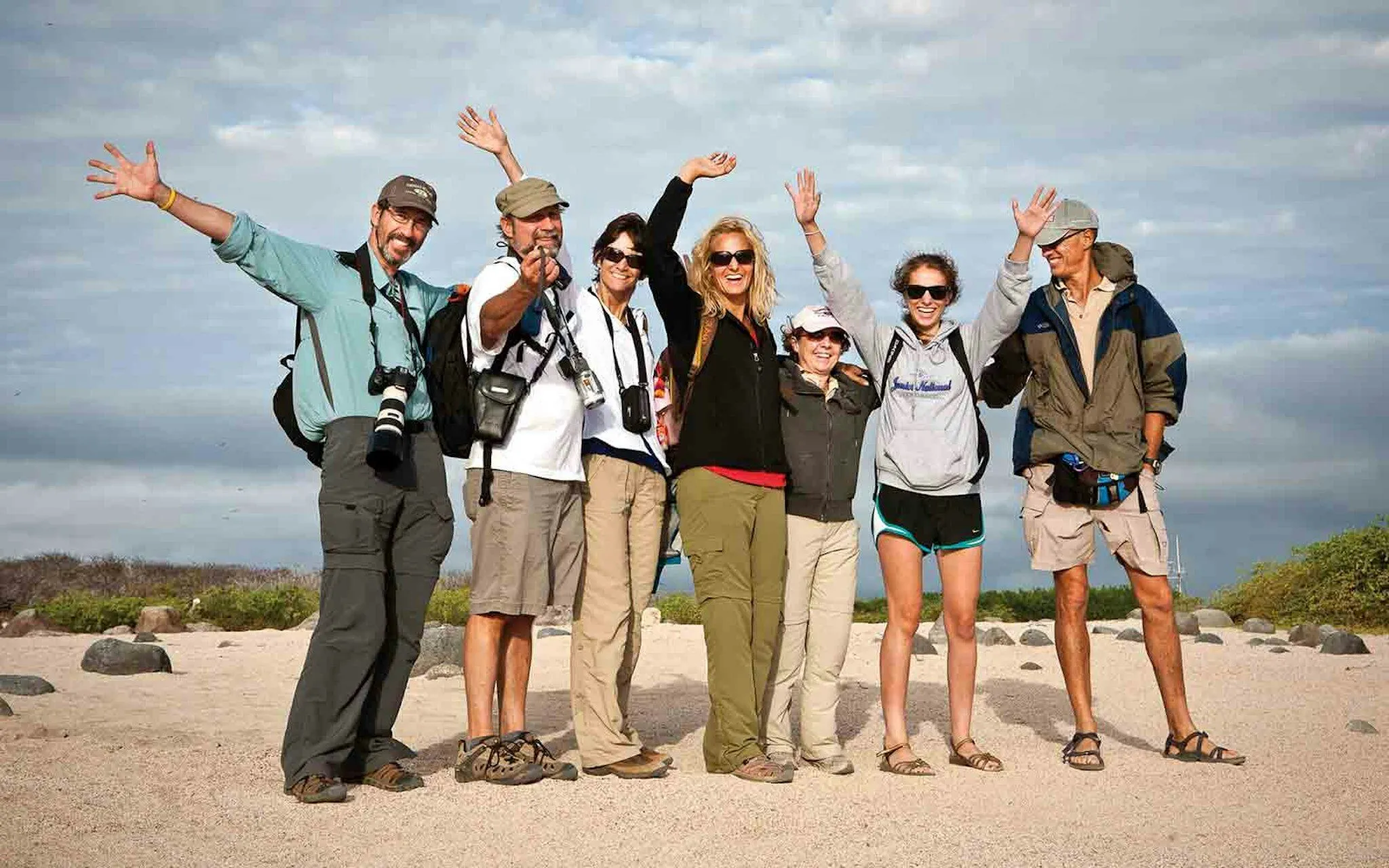
Small Group Travel
Whether you’re traveling solo, with a partner, or with friends, join one of our over 500 scheduled departures where you’ll travel in the company of like-minded adventurers. They love being engaged, energized, and inspired. Each with their own story to tell, they make fascinating and entertaining travel companions. You may just come home with a new travel buddy. Plus, with an average of 8 to 10 guests per scheduled group, you’ll have unparalleled access to your expert guides and the space to enjoy your adventure free from the limitations of a tour bus.
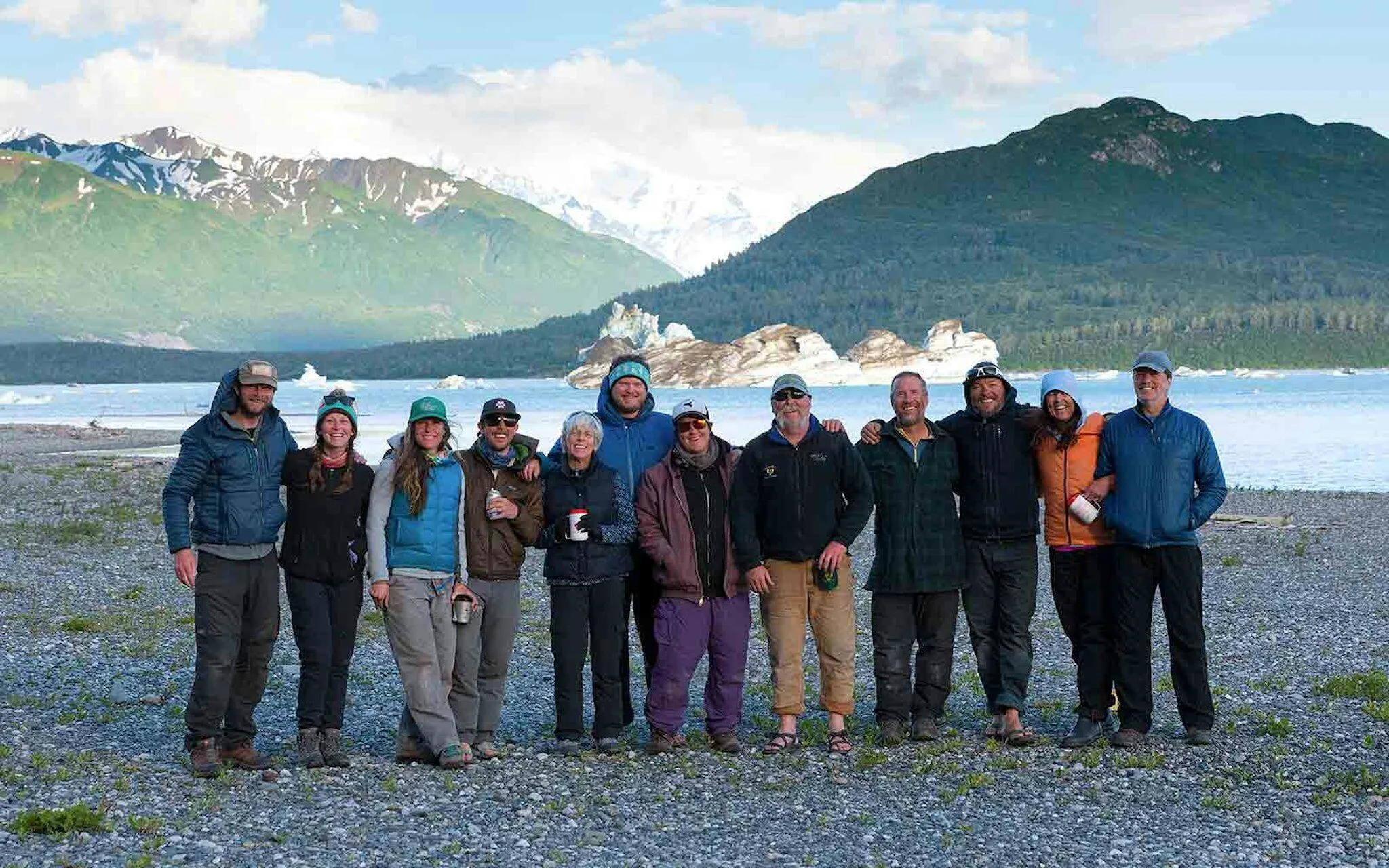
Private Adventures
Private adventures with MT Sobek are perfect for those travelers who enjoy the privacy and flexibility of traveling on their own but want the peace of mind that comes with having all the logistics handled by experts. Most of our itineraries can be made private. We offer hundreds of itineraries and dates that your group can easily take over, or, if the date you’re looking for isn’t available, we’ll make it happen for you.
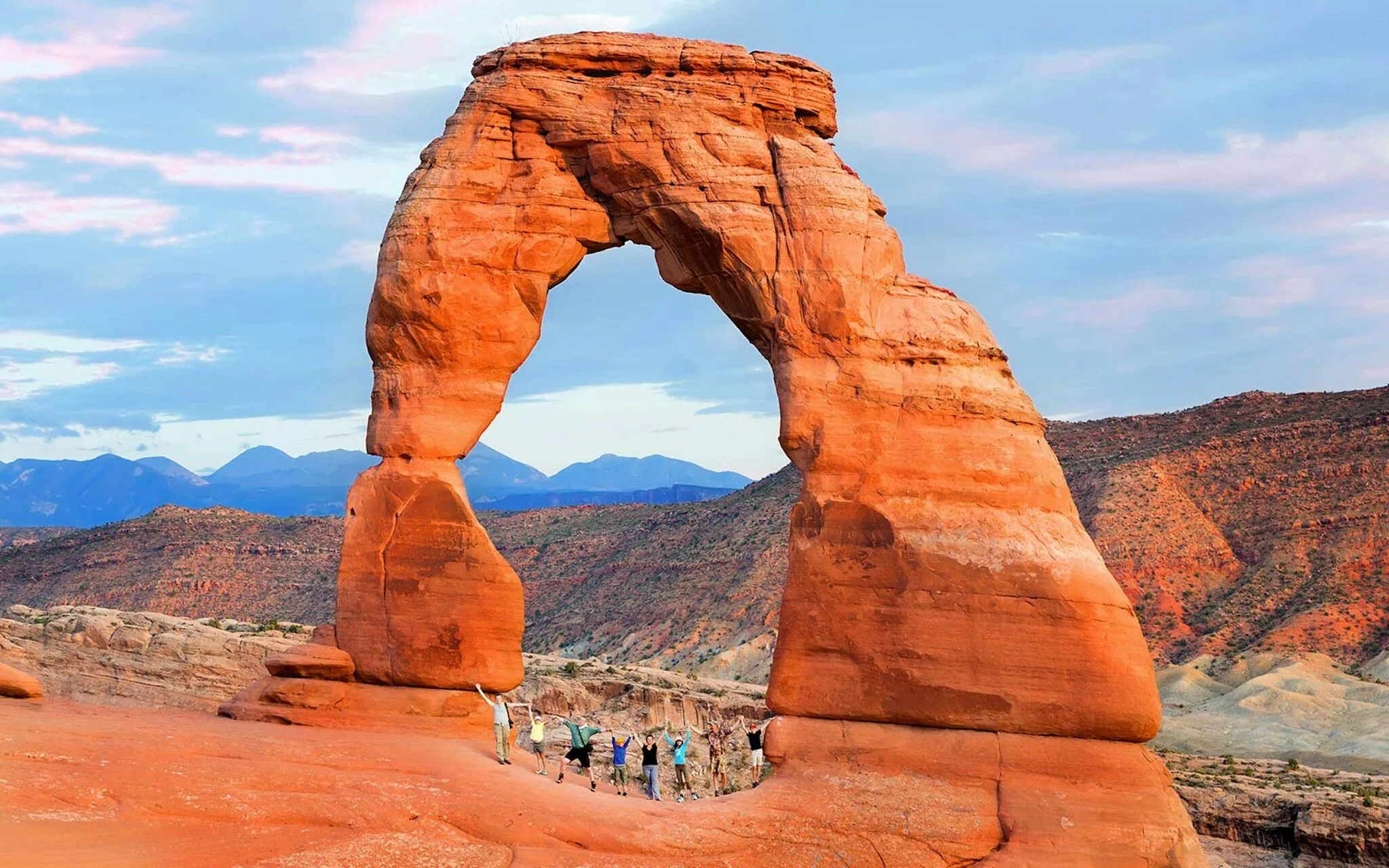
Custom Adventures
Whatever the occasion—family reunion, milestone celebration, an ultimate road trip with friends, we can make your dream trip happen. Experience MT Sobek’s blend of insider access and adventure style on an itinerary exclusively created for you and your family, colleagues, or friends. We have a dedicated team of Custom Trip Specialists.
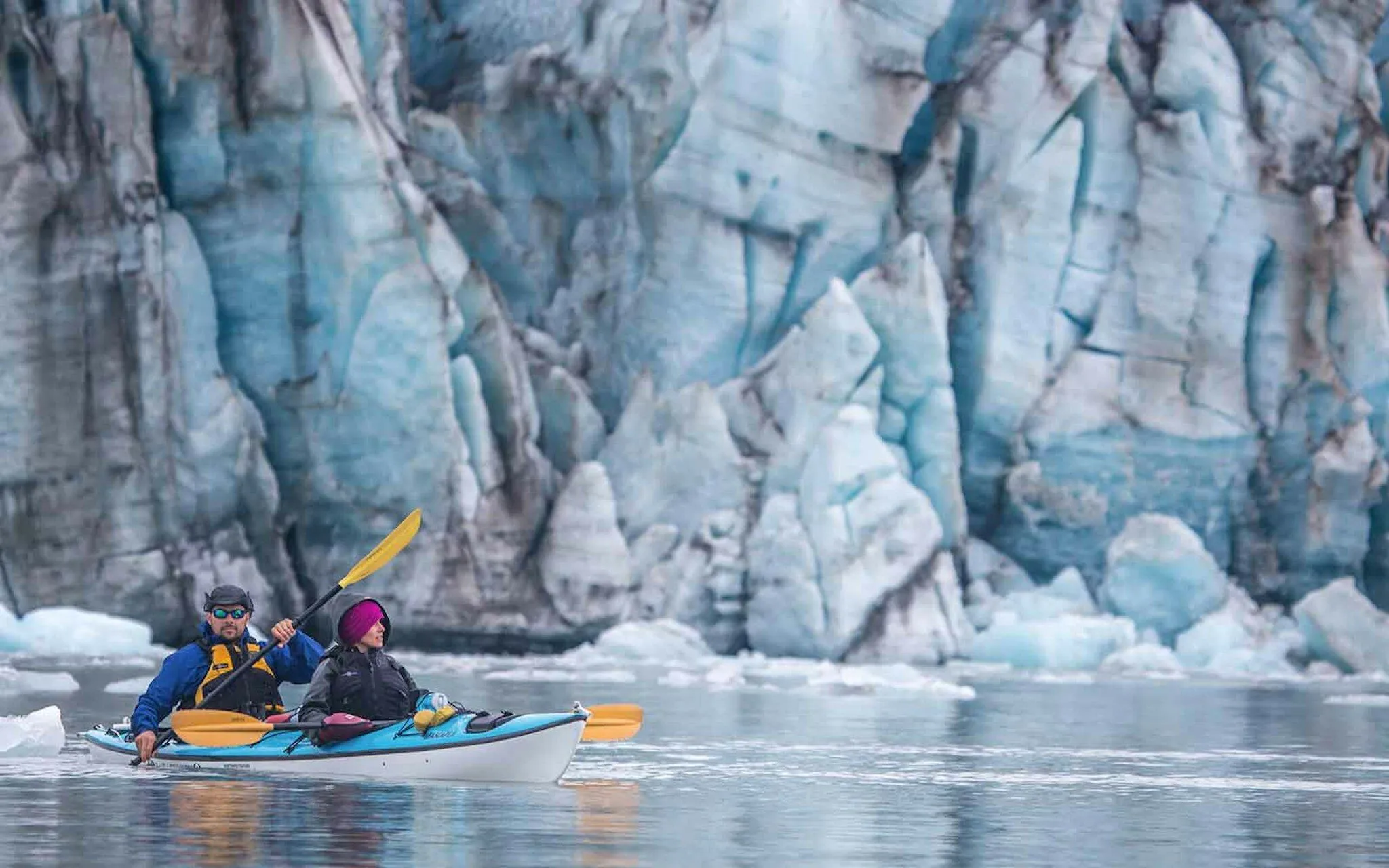
Solo Travelers
Small group travel is perfect for solo adventurers looking to explore with like-minded people. Right from your first meeting, you’ll be amazed at how quickly you start to bond with your fellow travelers. No matter where they come from, it turns out that simply having a shared love of travel really brings people together. Whether you’re on the trail, watching wildlife, or enjoying a meal around a family table, there are plenty of opportunities to share stories and talk about highlights from the day.
From luxury hotels to rustic lodging, deluxe camping to wilderness camping, check out our full range of accommodation styles. Some trips may include a combination of styles, expertly picked for the destination.
Hotels at the Heart of Adventure
Where else to stay when visiting the Grand Canyon but perched on the North Rim of this natural wonder? How better to appreciate the fjords of Norway than to slumber in a brightly colored fisherman’s cottage by the water’s edge? Or to spot the “Big Five” from your luxury safari camp’s private veranda? We seek out small boutique hotels and lodges that treat you to the “must-have” experiences of the region.

Luxury Hotels
Revel in pure luxury at our hand-picked 5-star hotels—some of the most exquisite properties on the planet. With excellent amenities and services, including restaurants and wellness facilities, these accommodations are consistently top-rated by guests and provide an ultimate pampered experience.
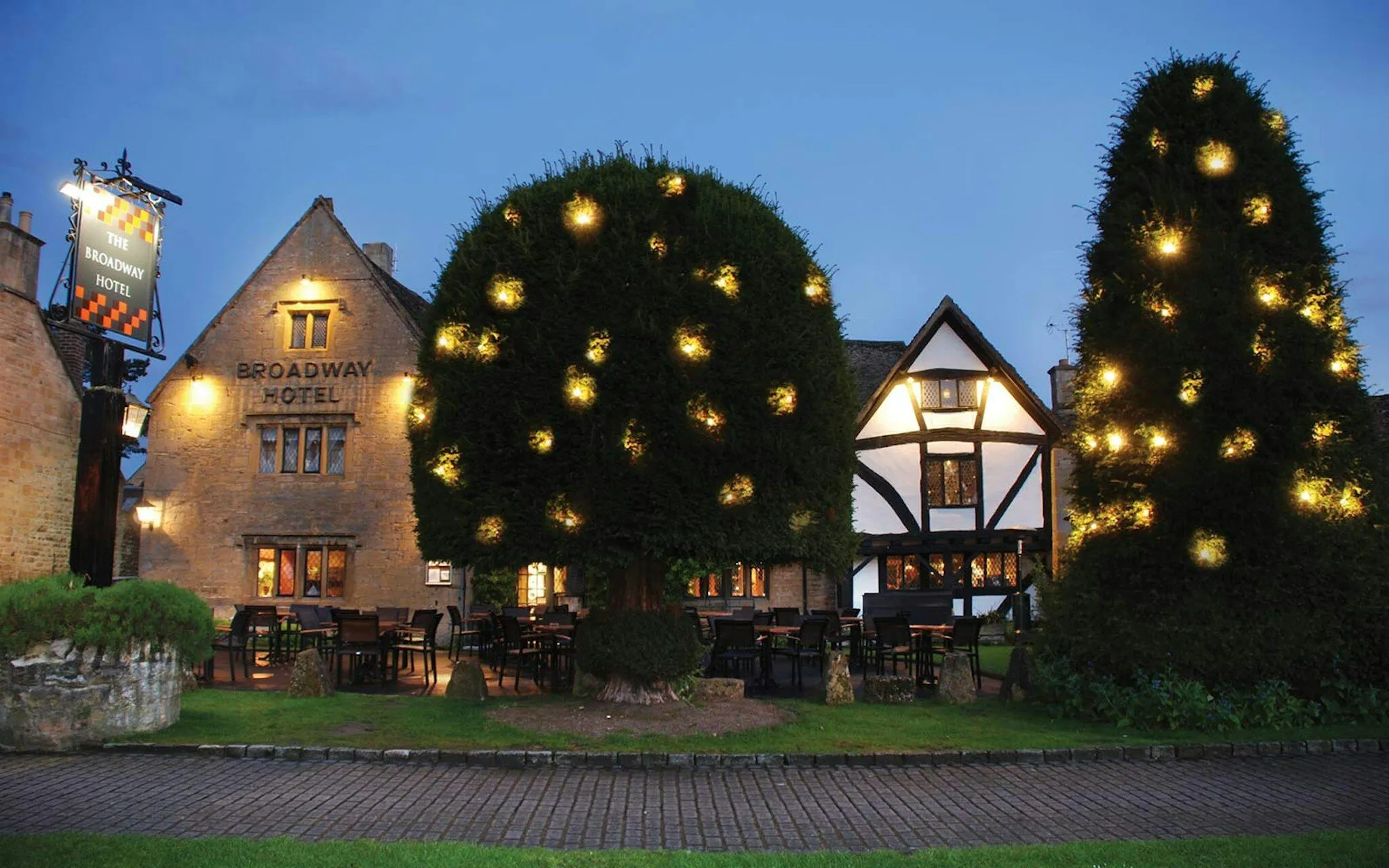
Comfortable Hotels
The majority of our properties include small hotels and inns with a local flair. Well-appointed with modern amenities, many are family-run, adding to their character and charm. In some destinations, properties are chosen for their proximity to National Parks, wildlife and nature and are more basic.
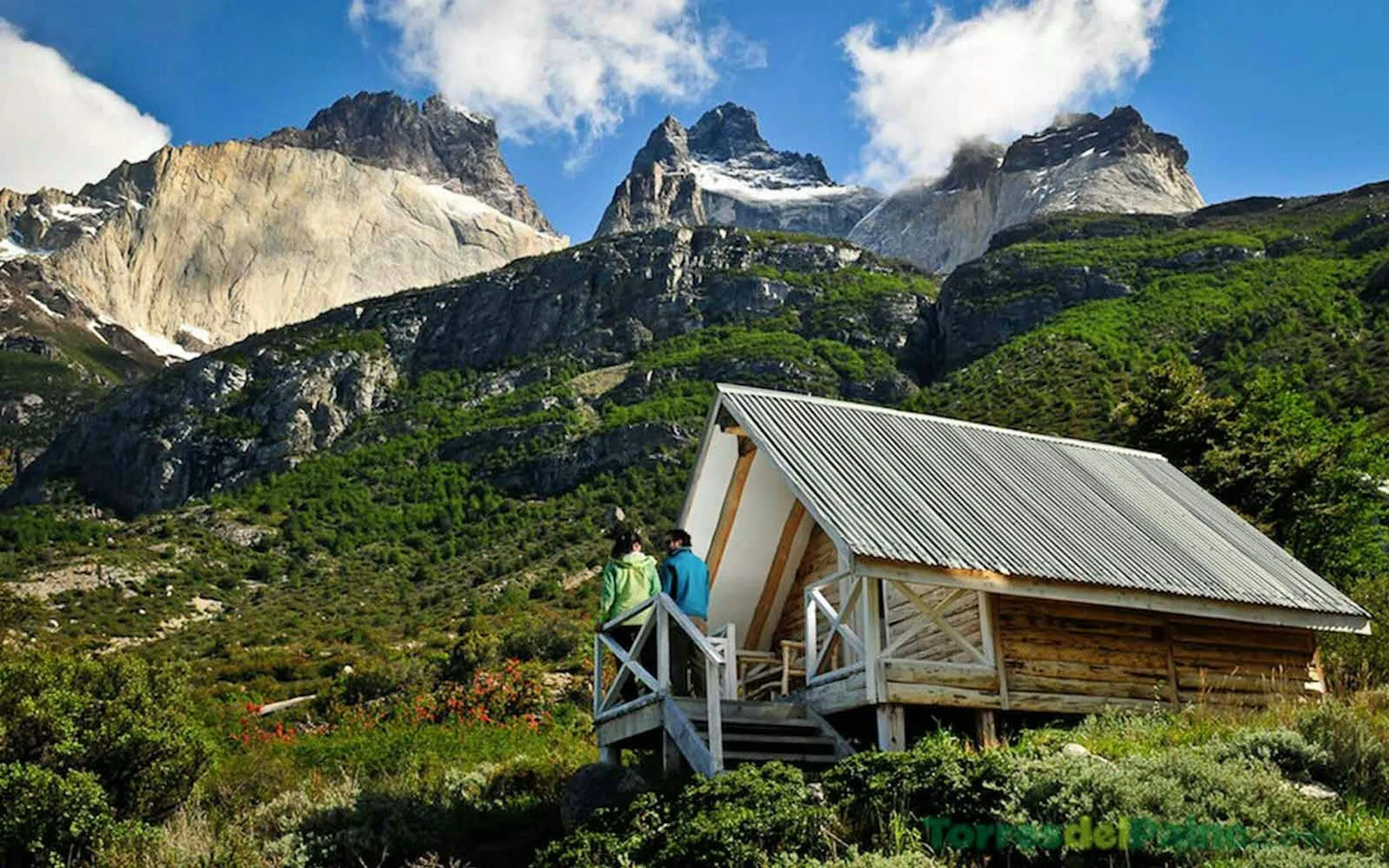
Rustic Lodging
Our rustic lodgings category includes remote lodges, mountain huts, homestays, guesthouses, gers, and fixed Bedouin camps. These accommodations may include bunk rooms and shared bathroom facilities. They truly get you to the heart of the destination.

Luxury Safari Camps & Lodges
We work with the finest African safari camps and global eco-lodges to bring you an ultimate experience that embodies the romance of adventure travel. We choose award-winning and top-rated accommodations with excellent amenities and services, including beautifully appointed safari tents and cabins.
Adventure Camping
The only way to experience some of our most remote mountain and river destinations is to camp. Everest Base Camp, Kilimanjaro, the Middle Fork of the Salmon River—some of our most popular adventures—include at least five nights of camping. However, the type of camp set up can be different, depending on the destination’s remoteness and how easy it is to transport gear. Here are our three main camping styles.

Deluxe Camping
- Roomy tents
- Mattresses with linens
- Dining table and chairs
- Guides prepare meals
- All set up for you
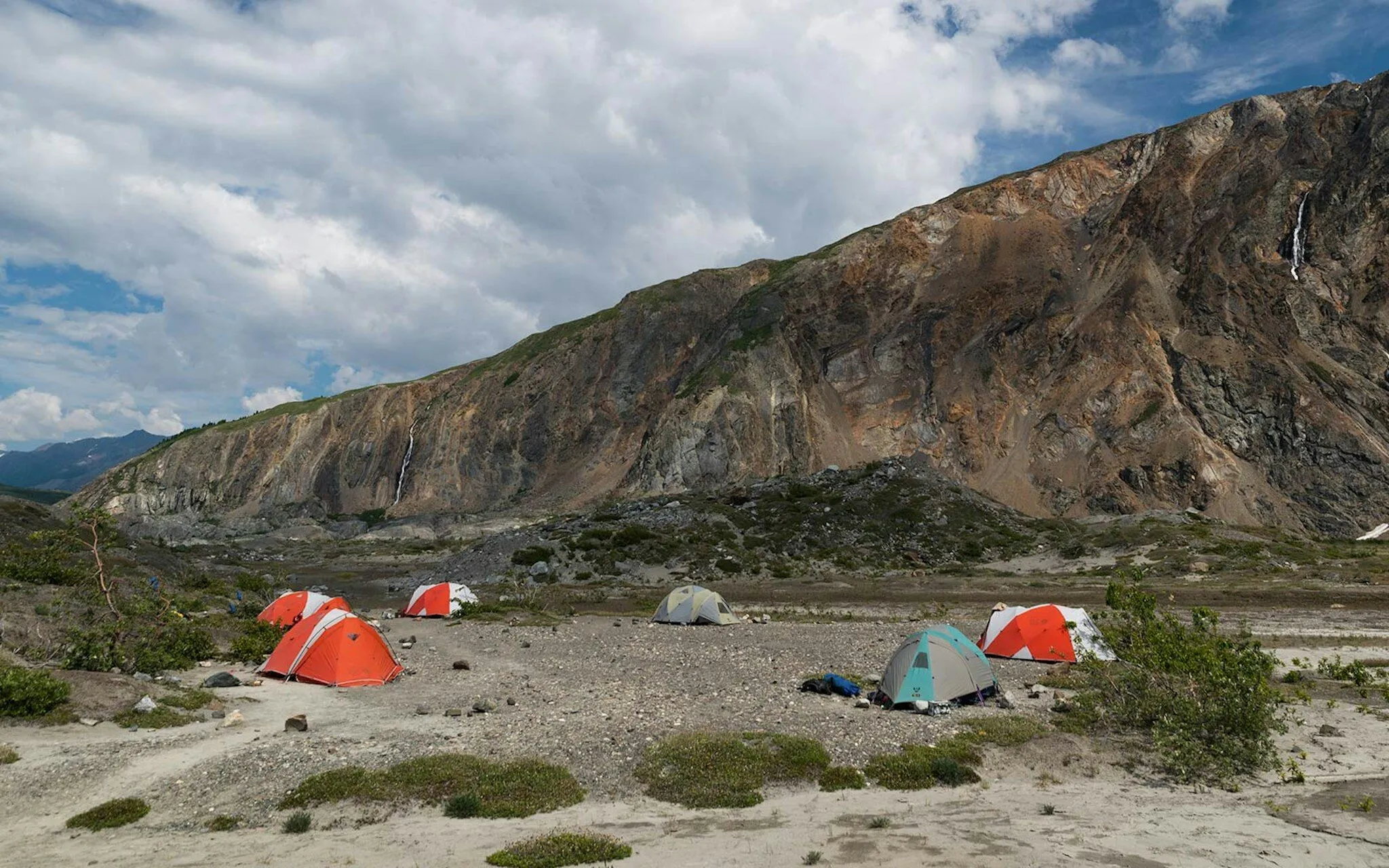
Comfortable Camping
- Roomy tents
- Sleeping bags and pads
- Dining table and chairs
- Guides prepare meals
- Some camp work may be required

Wilderness Camping
- Trekking tents
- Sleeping bags and pads
- Guests help set up camp
- Guides prepare meals
Expedition Cruising
Over the years, we’ve found that adventure cruising aboard a nimble small ship or deluxe yacht gives our guests an intimate expedition-like experience with maximum flexibility. We can navigate narrow waterways, pull right into private coves, and get you onshore quickly. No waiting in long lines to get off the boat and no crowds once you get on shore!
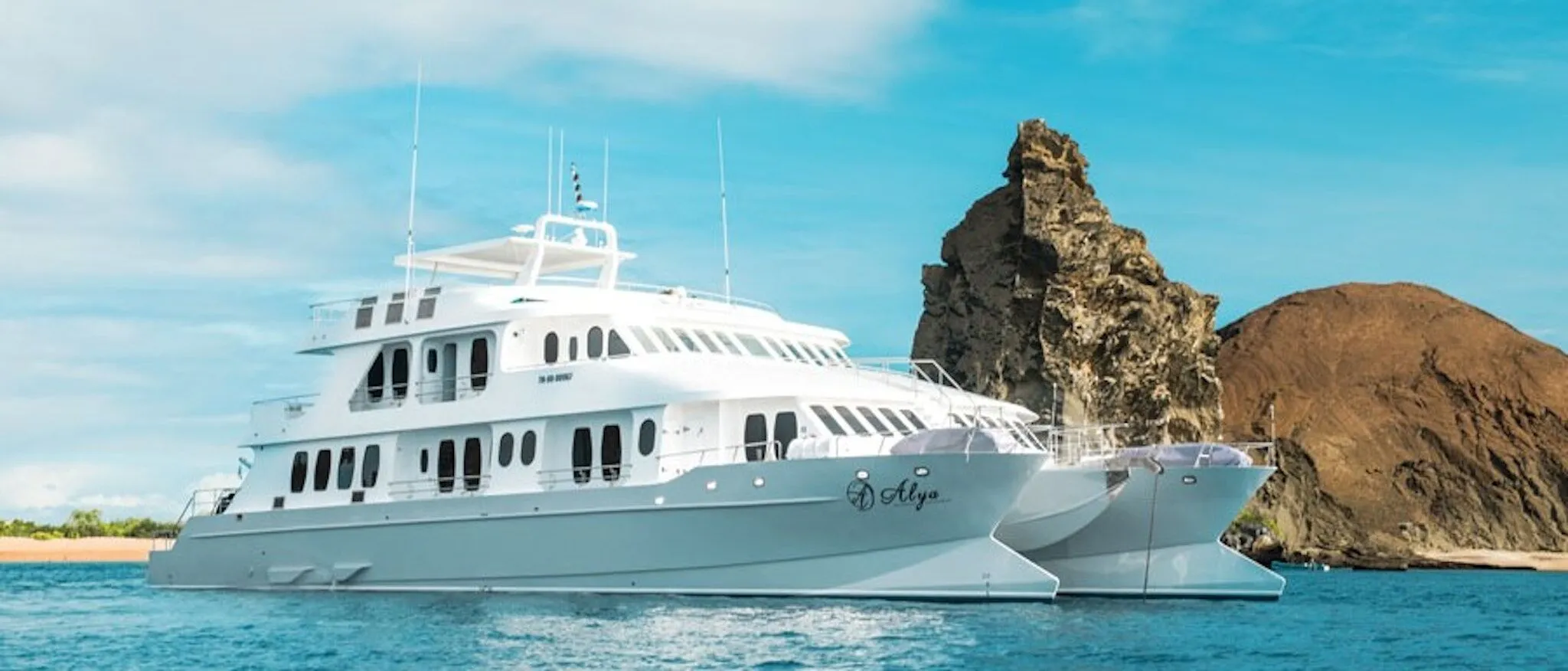
Luxury Small Ship
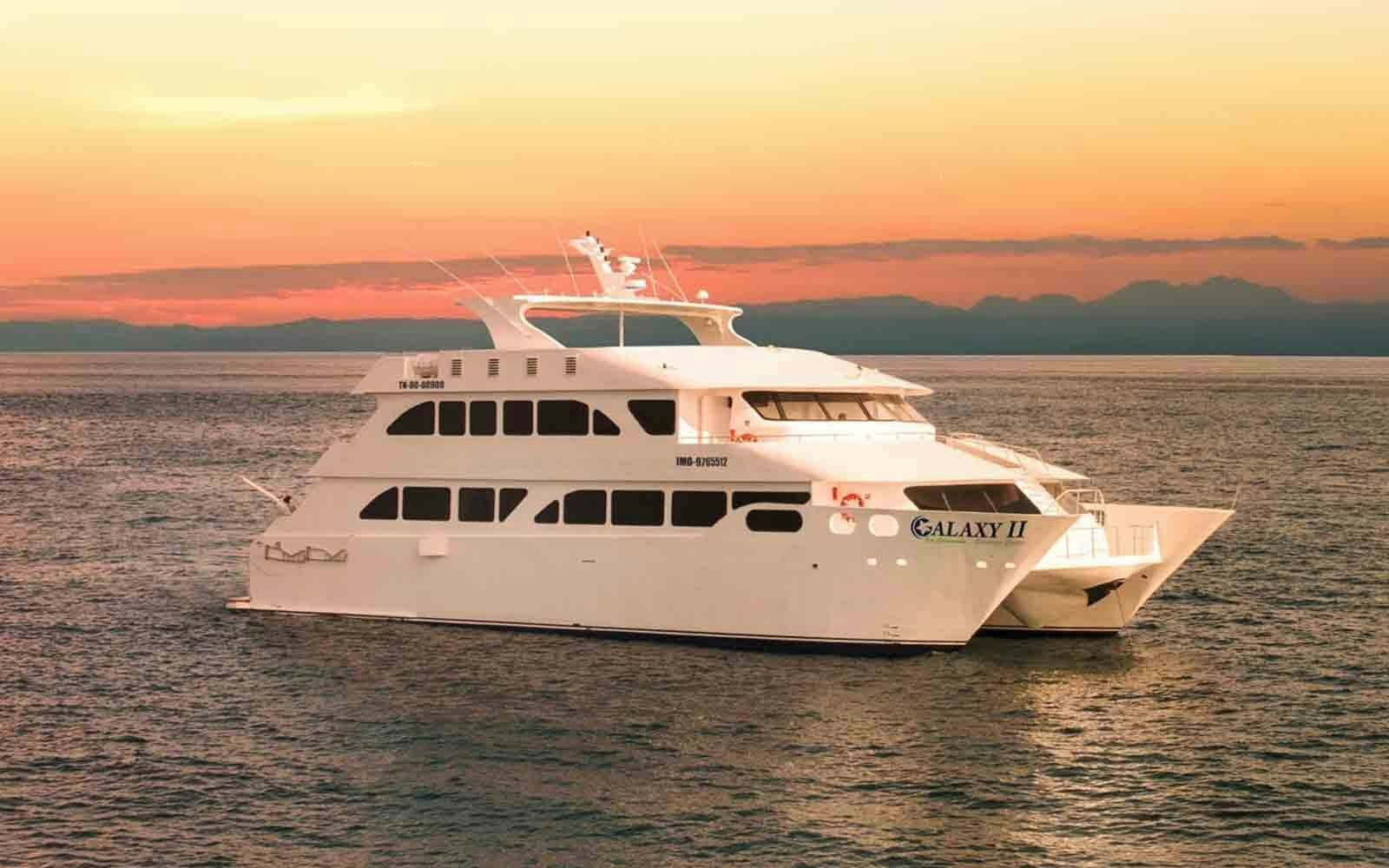
Enjoy a luxurious 5-star cruise aboard modern vessels with elegant interior designs that enhance your onboard experience. Our luxury Galapagos ship, the Endemic, carry a maximum of 16 passengers, while polar expedition ships such as the Magellan Explorer carry up to 70 passengers. These ships include spas, bars, climate-control en-suite rooms, and an abundance of state-of-the-art equipment for ultimate cruising. Our guide to crew ratio is guide and crew service is world-class.
Comfortable Small Ship
Our comfortable 3 and 4-star ships are well-designed for relaxation and all equipped with modern amenities. Aboard you’ll enjoy en-suite amenities, air-conditioning, attractive dining, bar and lounge areas, and outdoor decks for viewing the scenery. Whatever star rating of ship you choose, you can be assured of the same world-class guide and crew team, and a first-rate experience.
Our adventures are categorized by activity levels from 1 to 5. Level 1 trips are the easiest, Level 3 trips are moderate, and Level 5 trips are our most strenuous—perfect for those seeking the ultimate challenge. We also offer new flexible trips featuring activities rated at Level 2 or Level 3, providing two activity options to match your preference on the day! For all trips, we encourage you to review the activity level and read the detailed activity overview for your chosen itinerary to ensure you’re fully prepared for your adventure.
Easygoing – Level 1
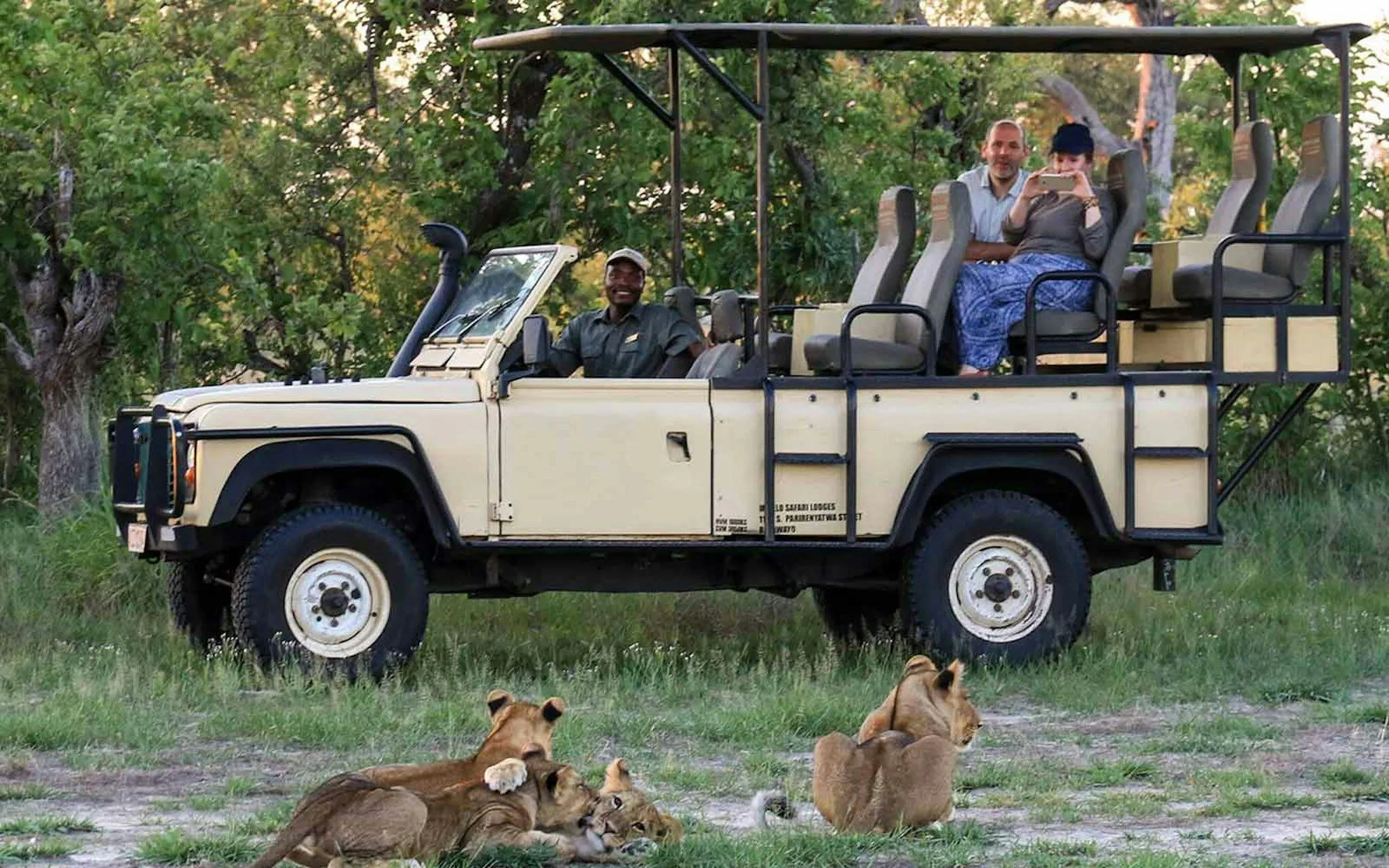
Our most relaxed style of travel. Come prepared with flexibility and a spirit of adventure. Activities may include game drives along dusty or bumpy roads, canoe rides or river floats, sailing, or walks of up to 30 minutes on flat terrain. Trail conditions may include cobblestones, pavement, gravel, or dirt paths. On some days you may be on your feet for much of the time.
Easy-to-Moderate – Level 2
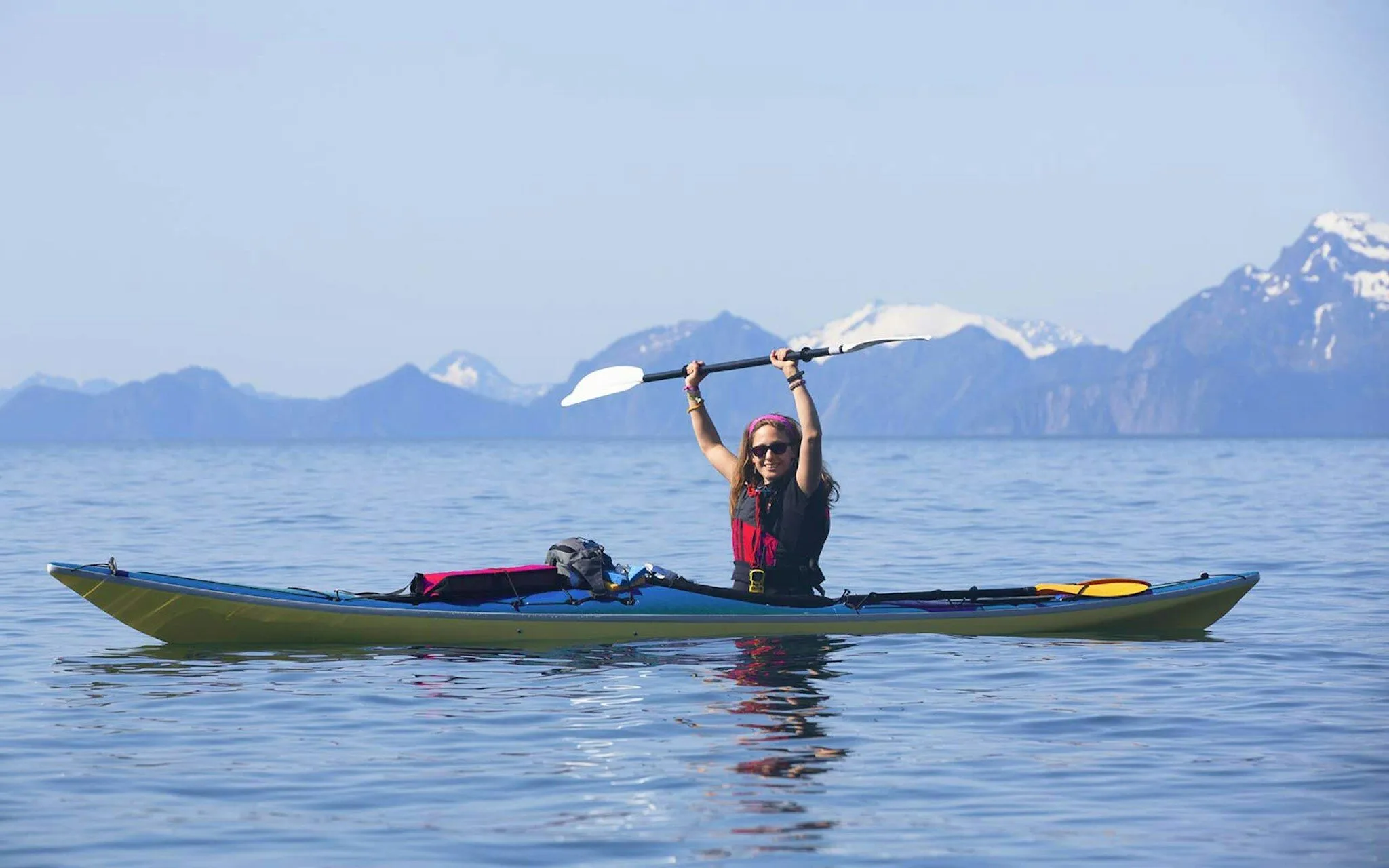
Active trips are appropriate for most travelers. You don’t need any previous kayaking, hiking, or other experience, but should be in generally fit condition. Trips may include short hikes or walking of up to 3 hours at elevations below 6,000 feet, sea kayaking in protected waters, or river rafting on Class I-II rapids.
Multi-Level – Level 2 & 3
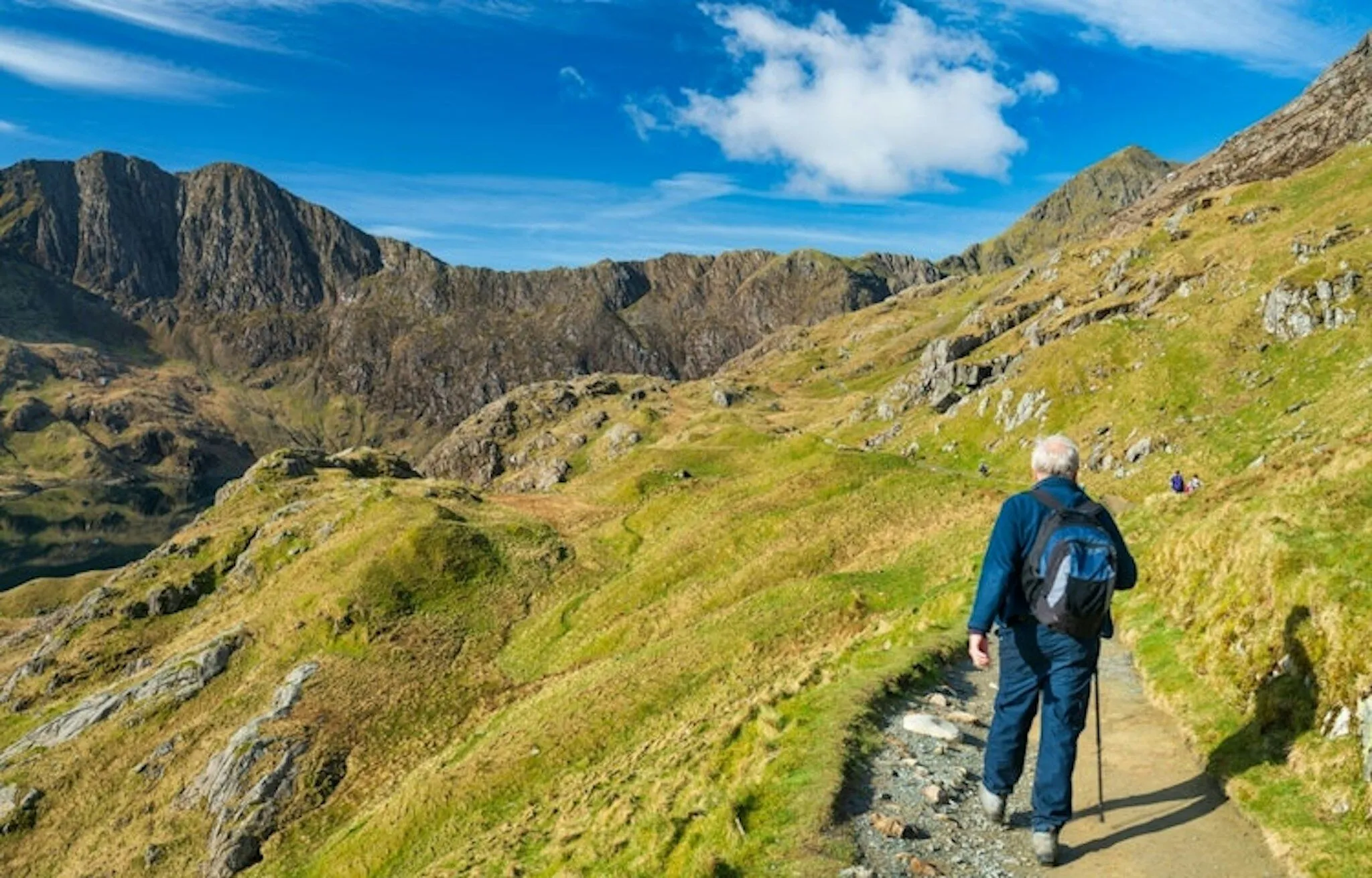
These flexible trips are perfect for travelers seeking a range of activity levels, from easy to moderate, with two options to suit your preference and energy on the day. This type of trip also enables you to travel with friends who are more, or less, active than you, and either start or end the activity together. For example, Level 2 guests may choose a 3-hour hike while Level 3 guests may choose a 6-hour hike. This variety ensures that there’s something for everyone, whether you’re looking for a leisurely experience or a bit more of a challenge. No matter your choice, you’ll enjoy breathtaking scenery, unforgettable adventures, and plenty of time together as a group.
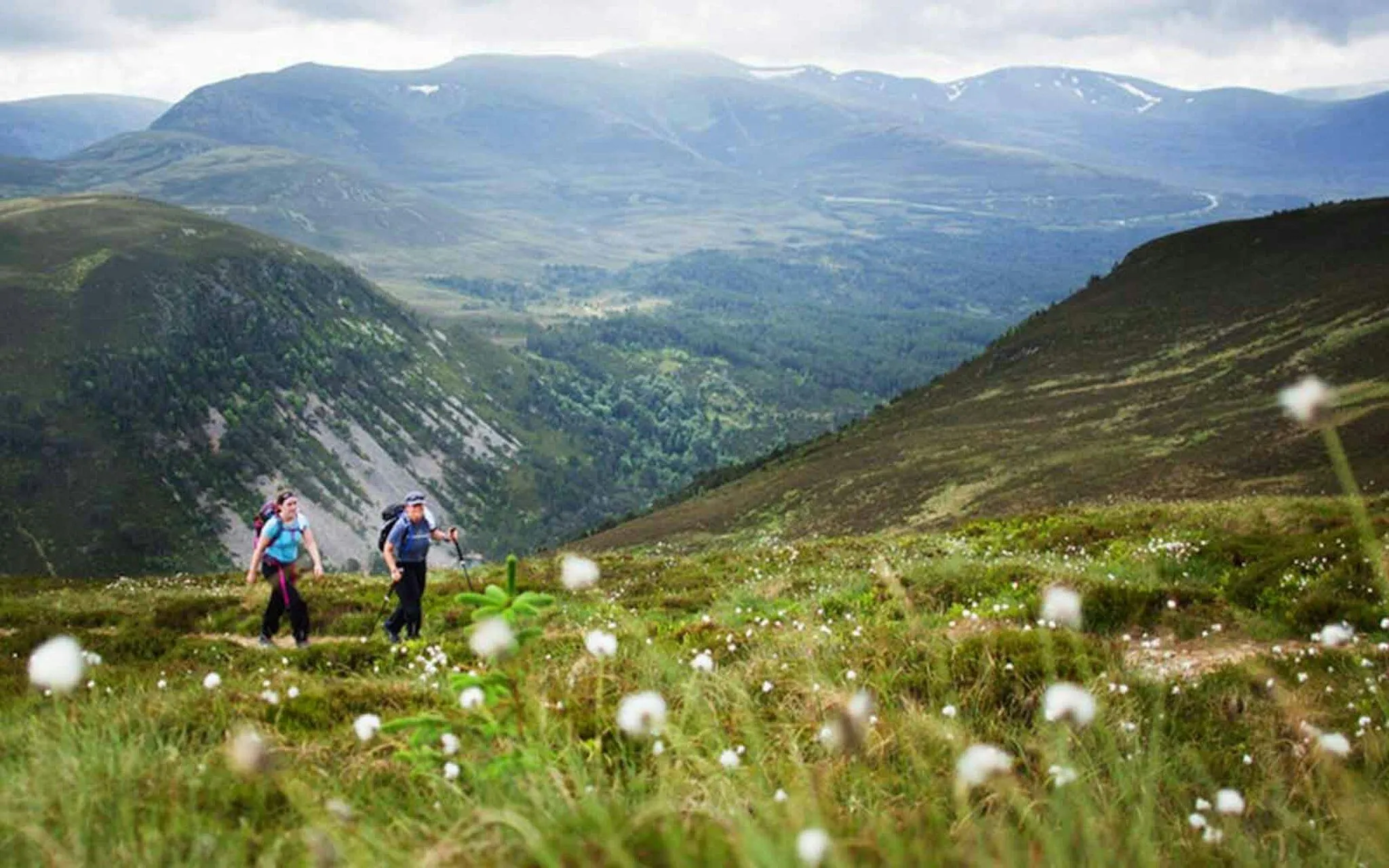
Moderate – Level 3
The majority of MT Sobek trips. These typically include 3 to 6 hours of physical activity per day, such as rafting or wilderness camping. Eight to ten-mile hikes can reach up to 10,000 feet and may include some steep ascents or descents. River rafting trips include Class III rapids and sea kayaking trips to visit protected waters.
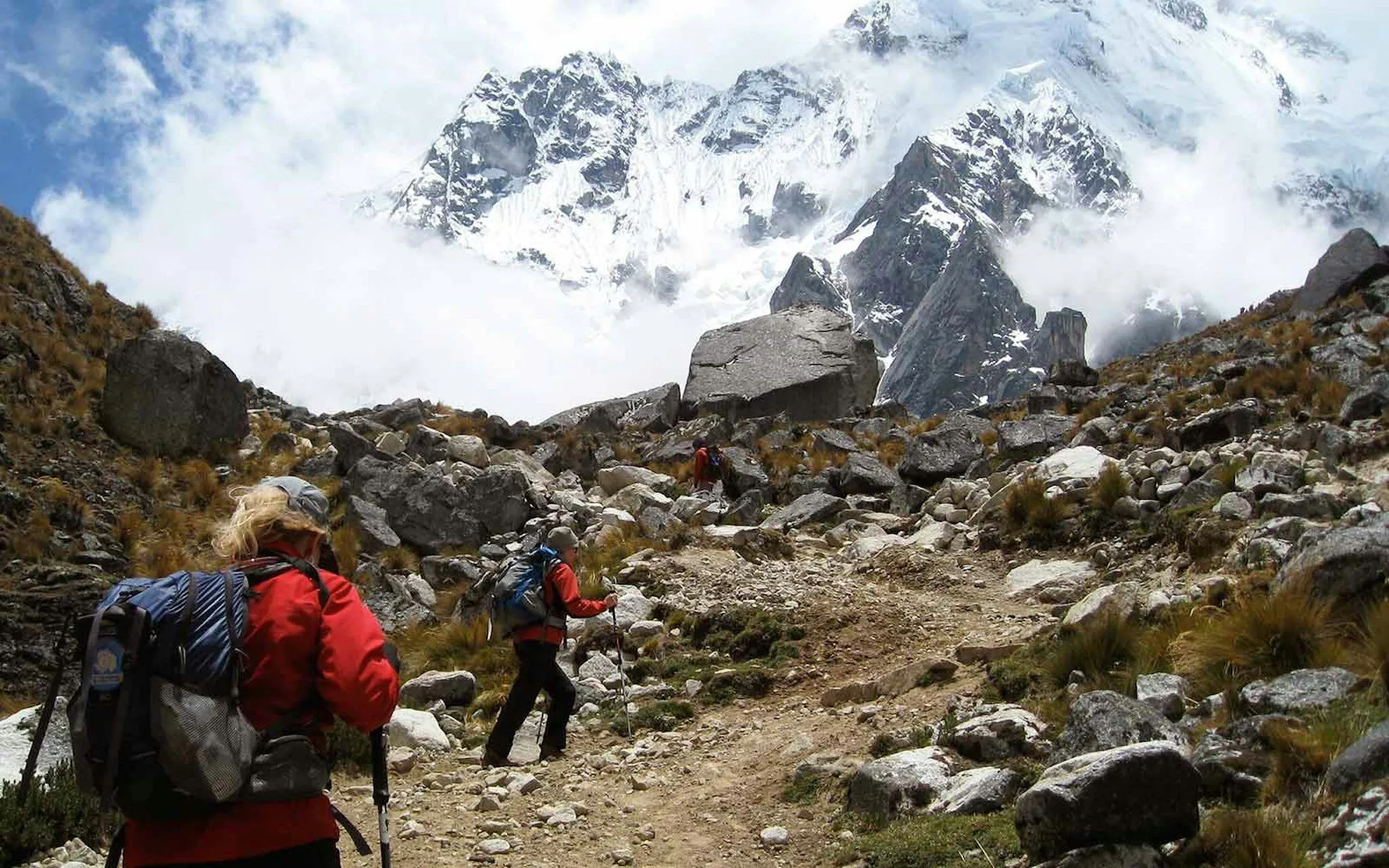
Moderate-to-Challenging – Level 4
Trips for experienced travelers seeking full days of activity and a higher level of physical challenge. Hikes and treks of up to 14 miles and 4,000 feet of elevation gains and losses per day cover steep, sometimes rugged terrain, potentially into areas of exposure and elevations exceeding 10,000 feet. River rafting trips include Class IV-V rapids; sea kayaking trips include 4 to 5 hours of paddling per day in areas of open water with waves and tides.
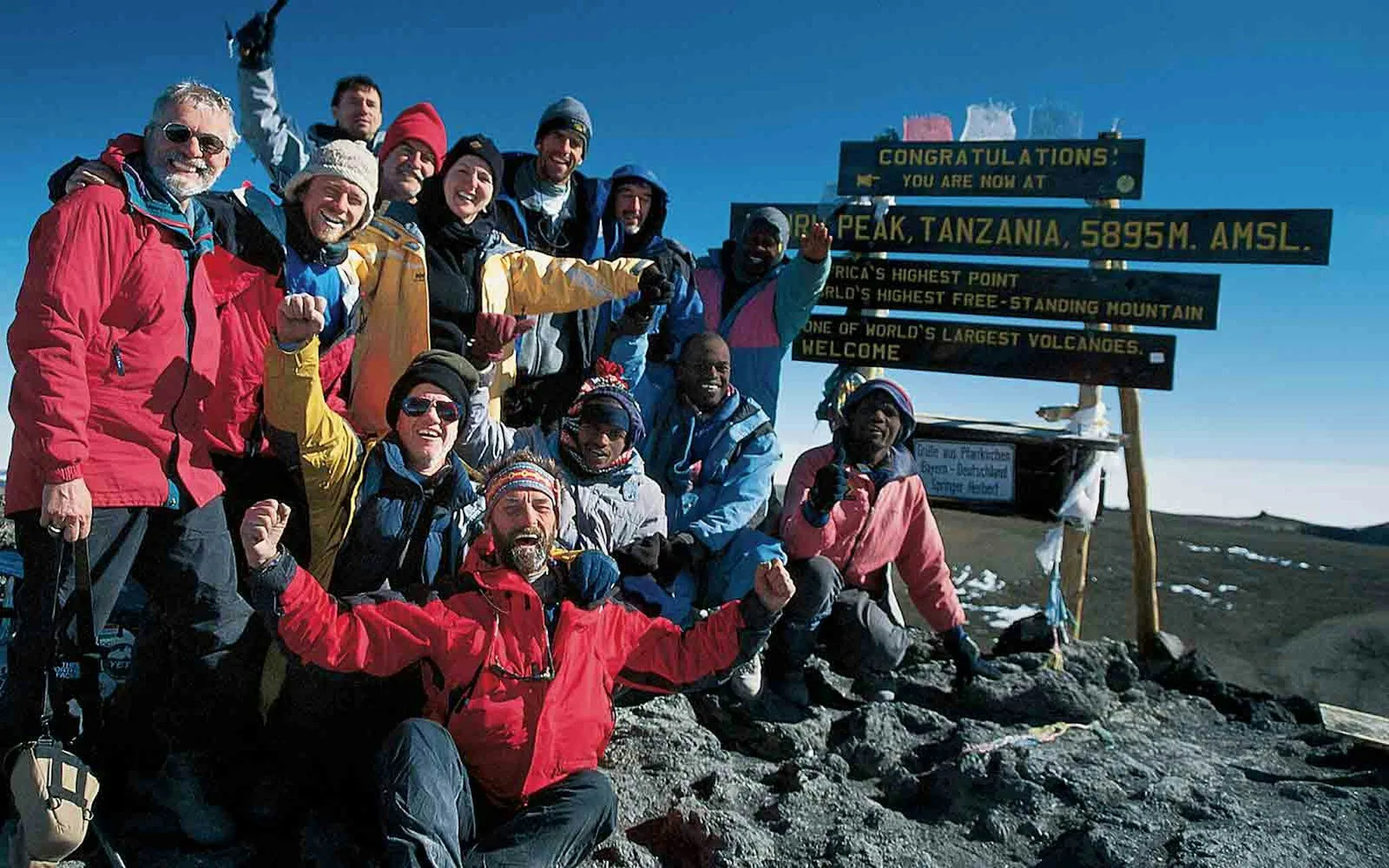
Ultimate Challenge – Level 5
Our most demanding trips for guests seeking a physical challenge. Trips include trekking without vehicle support over steep, often rugged terrain at elevations over 10,000 feet. Daily hikes of up to 12 hours or more may include substantial altitude gains and losses into remote areas of wilderness. River rafting trips include Class IV-V rapids and areas where portaging is needed. Previous experience, as well as a completed physician’s certificate, is required.
We Are Committed to Sustainability
At MT Sobek, sustainability isn’t just a principle; it’s woven into the very fabric of how we operate. We don’t simply observe the world’s unique cultures and fragile ecosystems—we take an active role in their preservation. Supporting organizations dedicated to environmental conservation and community well-being is part of our DNA. Over the years, we have contributed over half a million dollars to conservation efforts and volunteered hundreds of hours to initiatives like Yosemite Facelift. Our programs work to ensure that the wild and beautiful places we visit will continue to thrive, with a special emphasis on sustainable practices and positive social impact. From funding reforestation projects to supporting local artisans, our commitment to sustainability goes hand-in-hand with unforgettable adventure.

Protect The Galapagos
MT Sobek is proud to support the Galapagos Conservancy by making an annual conservation investment to its Santiago Society program. Galapagos Conservancy is dedicated exclusively to the long-term protection of the Galapagos Islands, and collaborates closely with the Charles Darwin Foundation, the Galapagos National Park, and many other institutions that are committed to the conservation of the entire archipelago.

Save the Tiger
MT Sobek guide Brian Weirum has made saving tigers his life’s mission and we are proud to support the Fund For the Tiger, raising over $300,000 to help tiger conservation in India and Nepal. The fund aims to address the threats faced by these majestic big cats and ensure their survival for future generations.
Kilimanjaro Porters Assistance Project
We are proud to work with the Kilimanjaro Porters Assistance Project (KPAP), based in Moshi, Tanzania, to improve the welfare and conditions for all Kilimanjaro porters. KPAP is an initiative of the International Mountain Explorers Connection (IMEC).

American Himalayan Foundation
Since our first treks in Nepal in 1969, Mountain Travel Sobek has worked with Himalayan communities to help support their way of life. We are also proud supporters of the American Himalayan Foundation which brings shelter, safety, education, health, and opportunity to people across the Himalaya. The AHF opens doors to education and health care, builds stronger communities, and works in a way that respects both tradition and innovation.

Dolma Ling Nunnery
As part of our philanthropic endeavors, we are proud supporters of the Tibetan Nuns Project at the Dolma Ling Nunnery & Institute in Dharamsala, northern India. The Tibetan Nuns Project provides education and support to refugee nuns from Tibet and to nuns from the Himalayan regions of India.

High Atlas Foundation
The High Atlas Foundation (HAF) empowers Moroccan communities through sustainable development. Focused on education, women’s empowerment, and environmental stewardship, HAF fosters local leadership to drive impactful change. From planting trees to building schools, their initiatives improve livelihoods while preserving cultural heritage, creating lasting opportunities for underserved rural and urban populations.

Preserve Alaska
The Alaska Conservation Foundation is the only public foundation solely dedicated to conservation in Alaska. The ACF’s vision is for an inspiring Alaska that is naturally thriving, biologically and culturally diverse, rich in wildlands, bountiful in terrestrial and marine life, sustainable in its economic development and thoughtfully protected—forever. MT Sobek supports the ACF by sharing their mission and vision with generations of adventure travelers.

National Park Foundation
As the official nonprofit partner of the National Park Service, the National Park Foundation generates private support and builds strategic partnerships to protect and enhance America’s national parks for present and future generations. We are proud to support the National Park Foundation to help sustain over 400 national parks in the USA, preserving 85 million acres of the world’s most treasured landscapes, ecosystems, and historical sites.
National Park Service
MT Sobek is proud to be an authorized concessionaire of the National Park Service and a permitted outfitter under the National Forest Service and Bureau of Land Management. We always follow Leave No Trace principles and seek to drive awareness of fragile ecosystems to help support their long-term sustainability.

Western Rivers Conservancy
MT Sobek is proud to support Western Rivers Conservancy, an organization dedicated to protecting and preserving the vital rivers of the American West. With a shared passion for safeguarding the natural world, MT Sobek aligns with WRC’s mission to conserve critical habitats, secure public access to waterways, and ensure the sustainability of these lifelines for future generations. Together we’re working to make a meaningful impact on the preservation of our rivers.

Alianza Cero Basura
Alianza Cero Basura offers innovative solutions for sustainable living in Baja California Sur. It promotes waste reduction, recycling, and environmental education, providing tools and resources to empower communities. By fostering collaboration and eco-conscious practices, the hub inspires impactful change toward a zero-waste future.
Adventure Travel Conservation Fund
MT Sobek is proud to be a member of the Adventure Travel Conservation Fund (ATCF), an international nonprofit focused on funding on-the-ground conservation projects around the world. The ATCF is committed to protecting wild destinations and provides members in the travel and outdoor industry an avenue to directly advance critical projects that protect people, species, cultures, and places.

Ride 4 a Woman
We are proud to support Ride 4 a Woman, a charitable organization that empowers the women of Bwindi, Uganda More than 300 women from 11 villages now use or work at the Ride 4 a Woman community center, where they can learn to pedal sew, weave baskets, dance, sing and drum; learning new skills, making a living and making it possible for their children to gain an education.

Community Rhino Conservation Initiative
We are proud to support the Community Rhino Conservation Initiative to help benefit the communities and wildlife of Hwange National Park in Zimbabwe. The CRCI has re-introduced rhino to this part of Zimbabwe in a highly secure and sustainable way to eventually accommodate a viable population of free roaming black and white rhino.
Exito Planet Care Ambassador Carbon Offsetting
We are proud to work with Exito travel to book flights for our guests. Exito is a Planet Care Ambassador, committed to taking concrete steps to minimize travelers’ flight impacts on the environment by fully offsetting carbon emissions.
Reason #01
MT Sobek has been leading Alps adventures for over 50 years and we know the best village-to-village routes in this magnificent mountain range.
Reason #02This well-crafted itinerary covers the must-see Alps in only 10 days, including the iconic peaks of the Eiger, Matterhorn and Mont Blanc, with comfortable stays in three charming Alpine villages.
Reason #03We work with professional local guides, who are truly the best in the Alps. Many of our Alps-loving guests return to hike with them year after year!
ActivitiesScenic gondola and train rides, hiking 3-7 hours per day through pristine alpine scenery, and leisure time in picturesque villages and towns.
LodgingPleasant 3-star accommodations in gorgeous surroundings, and lovely hotels complete with saunas, Jacuzzis, and swimming pools.
ClimateThe weather in the Alps is always unpredictable. We could encounter snow in the morning and sun in the afternoon.
Trip OverviewWhat makes MT Sobek’s Alps Village to Village Hiking trip unique?
This adventure masterfully links the Alps' most legendary peaks—the Eiger, the Matterhorn, and Mont Blanc—into one perfectly paced adventure. Experience a blend of world-class hiking and refined alpine charm as you traverse the most iconic landscapes in Switzerland and France. MT Sobek's 50+ year history in the Alps means deep expertise and extensive experience informs every step of the adventure.
Ultimate Alpine Trilogy: Seamlessly connects three crown jewels of the Alps—Grindelwald, Zermatt, and Chamonix—offering an unrivaled perspective of the Eiger, Matterhorn, and Mont Blanc, all in one unforgettable experience.
Activity Plus Comfort: Pairs exhilarating days on classic alpine paths with the warm hospitality of charming village hotels, where you can enjoy the regional culture and cuisine while relaxing at the end of each perfectly paced and thoroughly rewarding day.
Local Expertise: Guided by expert local leaders who manage every detail with precision, you are free to fully immerse yourself in the vibrant mountain culture and stunning scenery easily.
June through September offers peak trail accessibility and the vibrant energy of mountain towns in trekking season, and our departures are perfectly timed to coincide. This carefully selected window ensures the ideal balance of favorable trail conditions, local services, and a lively atmosphere.
Early Season—June: Experience the Alps at their most lush and vibrant, with trails framed by brilliant green meadows and early-season wildflowers.
Mid-Summer—July and August: Bask in the lively, sun-drenched mountain scenery of summer—the quintessential time for hiking in the Alps.
Late Summer—September: Discover a quieter, more intimate side of the Alps with crisp, cool mornings and fewer other visitors as the seasons transition.
The typical group size for this trip is between 4 and 16 guests, creating an experience that feels personal, relaxed, and thoughtfully paced. Small group travel allows us to share moments that make a journey truly memorable.What is the minimum age for this trip?
The standard minimum age for this trip is 18. This itinerary is designed with adult travelers in mind, based on daily activity levels, accommodations, and overall group experience. Families or groups with children please check out our private departures .
What makes this a Level 3 trip?This tour features consecutive days of high-alpine hiking that require a steady level of endurance. It is designed for fit hikers who enjoy the rewarding challenge of hiking through some of the most spectacular, rugged terrain in the Alps.
Sustained Daily Distances: Guests should expect to cover an average of five to nine miles most days for immersive exploration.
Significant Vertical Gains: Each day presents rewarding climbs and descents, typically ranging from 1,500 to 2,500 feet of elevation change.
Alpine Terrain: Routes follow mountain trails that can be rocky, uneven, muddy, or slippery, requiring confident footing, balance and a spirit of adventure.
Consecutive Hiking Days: Arriving fit and prepared for the physical demands of back-to-back hiking days in variable mountain weather is key to your enjoyment of the trip.
We plan the itinerary carefully, but adjustments may be needed due to weather, trail conditions, or other factors. MT Sobek and our guides make thoughtful decisions when needed in real time to keep the experience safe and enjoyable, and any significant changes will be communicated as early and as clearly as possible.Arriving and Departing
Where does the trip start and end?
The trip starts and ends in Geneva, Switzerland, with overnight stays in Grindelwald, Zermatt, and Chamonix along the way.What airport should I fly into and out of?
You'll fly into and out of Geneva International Airport (GVA).When should I book my flights?
Once your reservation with MT Sobek is finalized, we'll notify you of your trip's status. After your departure is confirmed to operate, flights and travel arrangements may be purchased. While we can often confirm departures in advance, some decisions may be finalized closer to final payment.When should I plan to arrive and depart?
Once your booking is finalized with MT Sobek and your trip has been confirmed to operate, flights may be purchased. If you are unsure of the status of your trip, be sure to check with your Adventure Coordinator prior to booking non-refundable flights.
Arrival: Plan to arrive in Geneva by 1:00 pm on Day 1 to join the scheduled 2:00 pm group transfer from Geneva International Airport (GVA) to Grindelwald. We recommend arriving at least one day early, when possible, to allow for international travel delays, time zone adjustment, and a smoother start to the trip.
Departure: Plan to depart from Geneva after 11:45 am on Day 10. The provided group transfer departs Chamonix at 8:30 am and arrives at Geneva International Airport (GVA) around 10:00 am.
After clearing customs and collecting your luggage at Geneva International Airport (GVA), you'll meet your driver in the Arrivals Hall for the 2:00 pm group transfer to Grindelwald. You'll have time to settle in before a trip orientation and welcome dinner. Final meeting details will be confirmed in your Final Details.What hotels do you recommend if I arrive early or stay late?
When possible, we recommend staying at the group hotels for the smoothest logistics. For 2026 our group stays at Hotel Kirchbuehl in Grindelwald and at Lykke Hotel & Spa Chamonix in Chamonix. For 2027 departures, contact your Adventure Coordinator for hotel information.
Extra nights must be booked directly with the hotel. While we'll do our best to keep you in the same room once the group stay begins, this can't be guaranteed, as room assignments are finalized closer to departure.
If you plan to stay in Geneva before or after the trip, central Geneva options include Hotel Royal and Hotel Edelweiss , which are a 15- to 20-minute taxi ride from the Geneva airport. Convenient options near the airport include Movenpick Hotel Geneva , Holiday Inn Express Geneva Airport , and Crowne Plaza Geneva . There is a train service from the airport to central Geneva.
A valid passport is required to enter Switzerland and France. Most countries require that passports be valid for at least six months beyond the end of your trip and contain at least one blank page for entry stamps. US citizens do not need a visa for stays under 90 days. Non-citizens should consult their local embassy or consulate to confirm current entry requirements.Transportation and Transfer
Are airport transfers included?
Yes. One scheduled group transfer is included on arrival from Geneva International Airport (GVA) to Grindelwald on Day 1 and Chamonix back to Geneva International Airport (GVA) at the end of the trip, Day 10.Can MT Sobek help arrange a private transfer?
Transfers outside those noted above are not included and must be arranged on your own. You can make arrangements to transfer by train between Geneva and Grindelwald, or returning from Chamonix to Geneva, through the SBB Official Website or through the website Trainline .
How much time will we spend in vehicles during the trip?Most days are activity-focused, with hiking as the main emphasis. Short vehicle transfers are used as needed to connect villages, trailheads, and scenic rail or gondola routes.Are there any especially long travel days?
Transfers are generally moderate and built into the itinerary design. On Day 1, the group transfer from Geneva to Grindelwald takes approximately 3 hours.
On Day 4, the transfer between Grindelwald and Zermatt takes about 3.5 hours, with a stop along the way for an exceptional gondola ride and hike.
On the final day, the return transfer from Chamonix to Geneva Airport (GVA) takes approximately 1.5 hours. These few longer transfers help connect the key regions of the Alps featured on this trip.
How difficult is the hiking on Alps Village to Village Hiking?
This trip is designed for active travelers who enjoy the reward of multiple consecutive days on the trail. You'll experience a classic mix of steady climbs and descents that reveal the very best of the Alps, making consistent physical preparation an important part of your journey.
Sustained Daily Activity: Expect full, invigorating days with three to seven hours of active hiking, allowing you to fully inhabit the magnificent landscapes between villages.
Varied Alpine Terrain: Enjoy a beautiful variety of terrain showcasing the diverse splendor of the Alps, from gentle forest paths to high alpine trails that can be rocky, uneven, muddy, or slippery. Some trails have sections with large steps.
Challenging Climbs and Descents: Trails feature sustained elevation gains and descents with regular steep sections ranging from 1,500 to 2,500 feet most days.
Prior hiking experience is essential. Guests should be comfortable hiking for several hours on uneven terrain and managing both uphill and downhill sections over multiple days back-to-back.
How should I train or prepare for Alps Village to Village Hiking?Building a strong cardio base is essential for this trip. We recommend giving yourself several months to prepare, with regular aerobic exercise such as hiking, brisk walking, cycling, stair climbing, or similar activities that elevate your heart rate. Aim for consistency—multiple workouts per week are more effective than occasional long efforts.
Hiking is the most important form of preparation. Whenever possible, train on hilly or mountainous terrain to simulate the sustained ascents and descents that you will experience on the trail. If hills aren't available, stair machines or repeated stair climbing are good alternatives. Downhill conditioning is important, as long descents can be just as demanding as climbs.
Training with a loaded daypack will help build strength and endurance. Start with a light pack and gradually add weight as your trip approaches, making sure it's carried comfortably and doesn't strain your back or shoulders. Trekking poles are strongly recommended for this itinerary—if you plan to use them, practice hiking with poles during training.
Equally important is breaking in your gear. Train in the hiking boots, socks, and pack you'll use on the trip, so everything feels familiar and comfortable by your departure date.
Consistent, well-rounded preparation will make the long days more enjoyable and allow you to fully focus on the experience once you're on the trail.
This is not a technical climbing trip, but there are sections of narrow trails, rocky footing, and occasional exposure. Guides carefully manage pacing and route choices to maintain safety.
Can I hike at my own pace?Guests hike as a group, led by expert guides who manage the pace with regular breaks. This approach ensures that everyone can hike comfortably while maintaining safety and group cohesion throughout the journey.
What if I want to skip a day?Options to shorten or skip hiking vary by day and location. There are opportunities for rest days in each of the three villages you'll be staying at on this trip. Your guides will help assess what is possible based on each day's plan.
How much free time will I have?This trip was designed with full hiking days, but evenings typically offer time to relax, explore the village, and enjoy a leisurely dinner. Some afternoons may include downtime depending on the day's route and conditions.Accommodations and Meals
What should I expect from accommodations on this trip?
Accommodations are a mix of comfortable 3- and 4-star Alpine hotels, chosen for location and character. Rooms and beds may be smaller than some guests are used to, and many properties do not have air conditioning. Many hotels feature wellness amenities such as saunas or pools to enjoy and unwind after a day on the trail. Your hotel information is confirmed in your Final Details.Will I have access to Wi-Fi and electricity?
Wi-Fi and electricity are available at the hotels, though Wi-Fi connection quality can vary in mountain regions.What meals are included?
All breakfasts and lunches and most dinners are included as outlined in the itinerary. You'll have one dinner on your own in each of the villages so you can tailor your experience, choosing from the many outstanding options available to suit your own taste.
What is the food like on Alps Village to Village Hiking?The food on this trip reflects classic Swiss and French Alpine cuisine, and is built around fresh, regional ingredients. Breakfasts are hotel buffets with breads, cereals, yogurt, fruit, cheese, cold cuts, juice, coffee, and tea. Lunches are typically picnic-style and enjoyed on the trail, including sandwiches, fruit, snacks, salad, and chocolate. Dinners are usually served at the hotel or a nearby restaurant and are generally three courses, featuring dishes such as hearty soups, pasta, sausages, cured meats, salads, fresh bread, and local cheeses. A limited amount of beer and wine selected by your guides is included at the welcome and farewell dinners, with additional alcohol available for purchase.
Can you accommodate dietary restrictions?Yes, we can accommodate many common dietary restrictions on this trip with advance notice. Let us know about your dietary restrictions and food allergies as soon as possible, so we can coordinate with guides, hotels, and restaurants. Common dietary restrictions, including vegetarian, vegan, and gluten-free, can be successfully managed on this itinerary. Please also list these on your Participant Information Form.
Are single rooms available?Yes, a limited number of single rooms are available on this trip. About a third of our travelers go solo, and single room inventory often books up quickly! Single rooms on this trip sometimes use single beds, which is typical of the region, and single pricing is adjusted to reflect that. You can find more information on solo traveler options here .
Are triple rooms available?Triple rooms are not offered on this trip to ensure all accommodations meet MT Sobek standards for your comfort.
Packing and GearWhat should I pack for Alps Village to Village Hiking?
Focusing on high-quality essentials like sturdy boots, a supportive daypack, and a versatile layering system will help you stay comfortable through the range of dynamic weather typical of the Alps.
Sturdy Footwear: Hiking boots with ankle support and a solid, high-traction sole are key to confidently navigating rocky and uneven alpine trails. Purchase your boots well in advance of the trip and train in them consistently to reduce the chance of blisters.
Comfortable Daypack: A daypack with a hip belt and 25 to 35 liters of capacity for snacks, lunch items, water, and extra layers is key. Train with the daypack you'll use on the trip for maximum comfort and bring a well-fitted waterproof pack cover if one is not built-in to your daypack.
Weather Protection: Waterproof, breathable rain gear, including a jacket and pants, is a must, acting as your primary shield against the unpredictable shifts in mountain weather. A warm hat and gloves are needed, as snow is possible at higher altitudes even in summer.
Versatile Layering System: Pack warm layers including a fleece or down jacket to easily adjust for temperature changes. Synthetic and wool clothing is preferred over cotton, as it stays warm when wet and dries more quickly.
Sun protection: Protect yourself from sun exposure with quality sunglasses, a hat, and sunscreen, ensuring you stay comfortable throughout the day.
Be sure to review the full Packing List provided for the trip. You may or may not need to use all the items that we recommend, depending on the conditions you encounter on your trip, but it is important to have them available in case they are needed.
Trekking poles are strongly recommended, especially for long descents and uneven terrain, but they are not required. We recommend you train with the poles you will bring and use on the trip. Trekking poles are not typically allowed in your carry-on bag and if so, should be packed in your checked luggage. Trekking poles are not provided on this trip. No technical climbing gear is required.
What size daypack should I bring?A 25- to 35-liter daypack is ideal for carrying water, snacks, lunch items, extra layers, rain gear, and personal items.Can I bring more than one bag?
Guests should plan to bring one main piece of luggage and a daypack. Because vehicle space is limited, packing efficiently is important. On this itinerary, luggage transfer is included, meaning your bags are moved from hotel to hotel while you hike—so you can focus on the trail, not your gear.Are there any seasonally required items?
Mountain weather can change quickly at any time of year, so full rain protection and warm layers are essential throughout the season, as are a warm hat and gloves. Early and late season departures may encounter colder temperatures, especially at higher elevations.What kind of footwear should I bring for this trip?
Sturdy, waterproof hiking boots with good traction and ankle support are essential due to rocky, uneven, and sometimes wet trails. Purchase your boots well in advance of the trip and train in them consistently to reduce the chance of blisters.
Will I have access to laundry during the trip?Laundry service is available at Hotel Kirchbuehl and Hotel Bella Vista, where the group stays during nights 1 through 6 of the trip. There are also self-service laundromats in Chamonix. Availability, pricing, and turnaround times vary by property. Some guests also bring a small amount of travel-friendly detergent for hand-washing smaller items in your room if necessary.Should I bring a personal medical kit?
Yes. Your guide will also carry a first aid kit, but we recommend you bring your own supply of basics such as blister care, anti-inflammatory medication such as ibuprofen, adhesive bandages, sunscreen, lip protection, and electrolytes to have handy. Please bring a sufficient supply of your personal medications.
On-the-Ground Travel TipsWhat is the weather like for hiking in the Alps by month?
Weather in the Alps is dynamic, varying by elevation and location with conditions that can shift at a moment's notice. You'll experience the full spectrum from brilliant sunshine to brisk winds and possible rain or even snow, making a versatile layering system key to your enjoyment of the trip.
The average daytime temperatures below are typical of the valleys visited on this trip. While hiking, the temperature typically drops by about 3.6°F for every 1,000 feet in elevation gained. This means a comfortable 70°F afternoon in the Chamonix Valley can be a brisk 55°F or even lower at higher altitudes.
Early Summer—June: Expect fresh, cool starts with daytime highs in the valleys often near 60 to 65°F.
Mid-Summer—July and August: These are traditionally the warmest months, with inviting daytime highs in the mid- to upper 60s°F and occasional peaks in the low 70s°F in the valleys—ideal for trekking.
Late Summer—September: Look forward to crisp mornings and daytime temperatures ranging from the upper 50s to low 60s°F in the valleys.
Dynamic Shifts: Conditions change quickly at higher elevations, where it's common to encounter sun, wind, rain or even snow, and cooler temperatures all in a single day. In wet or windy conditions, mountain temperatures can swiftly drop into the 30s to 40s°F, underscoring the importance of having your waterproof shell and insulating mid-layers easily accessible in your daypack. Equally possible is the occasional summer heatwave, where temperatures can be significantly warmer than stated above. Be prepared for a wide range of conditions and check the weather in advance of your trip to help you best prepare.
Switzerland uses the Swiss Franc (CHF), while France uses the Euro (EUR). Credit cards are widely accepted throughout the trip, but it's still useful to carry some cash for small purchases, cafes, and mountain towns. ATMs are readily available in Geneva and in larger towns along the route, and many guests choose to withdraw cash upon arrival at the airport. Banks in Switzerland typically close around 4:30 pm on weekdays, and banks in France usually close around 5:00 pm. On some days, you may return to town after banks have closed, so it's helpful to plan ahead. While some places in Switzerland may accept Euros, Swiss Francs are preferred, and change is typically given in Francs. We recommend carrying small amounts of both currencies rather than large sums of cash.
Will I have cell service?Cell service is generally reliable in this region, though coverage can vary in the mountains. Check with your service provider for details. We recommend downloading important information for offline access.
Will I need electrical adapters or a voltage converter?Electricity in Switzerland and France is 220-240 volts. Switzerland primarily uses Type J plugs (with three round pins) and Type C plugs (two round pins). France uses Type E plugs (two round pins). A universal plug adapter can be useful for this. Many modern electronics support dual voltage, but you should check your devices and bring a voltage converter if necessary.How much extra money should I budget?
A general guideline is $600 to $800 for personal expenses such as drinks, souvenirs, laundry, meals on your own, and optional guide gratuities.How is tipping handled on this trip?
Tipping is optional and based on your satisfaction. For this international trip, we recommend tipping each guide the equivalent of $100 to $200 per guest.
Your trip is supported by at least one MT Sobek guide for every eight guests, and gratuities for hotel and restaurant staff are already included in your trip price.
Specific tipping recommendations for your departure will be outlined in your Final Details, which are sent about three weeks before the trip.
Please note that tips should be given in cash (Euros are preferred, Swiss Francs are also acceptable), as our local teams are unable to accept gratuities via credit card, checks, or payment apps. Tipping is always at your discretion and should reflect your personal level of satisfaction.
Do you recommend travel insurance?
Yes, we strongly recommend purchasing travel insurance for all trips. Travel insurance can help cover trip cancellations or interruptions, medical expenses, emergency evacuation, travel delays, and other unexpected situations.
We offer travel insurance with Arch RoamRight and will be happy to provide you with a quote. Please see our Travel Resources page for more information.
There is no standard required clearance from a doctor to participate in this trip. You will have an opportunity to discuss your fitness and preparedness for the trip with MT Sobek. If you have medical concerns or questions about fitness, consult your healthcare provider before traveling.What medical support is available during the trip?
Your guides are trained and certified UIMLA Professional Mountain Leaders and carry medical kits in case of emergencies. Medical facilities are available in towns but can be far from remote trail locations. See "Section I: Trail Support and Emergencies" below for more information.
What kinds of challenges should I expect on the Alps Village to Village Hiking trip?To get the most out of your trip, it is helpful to be prepared for the challenges of the trail, such as sustained elevation gains and losses, rocky or uneven terrain, and the variable weather typical of the Alps. Your guides are there to support you every step of the way, managing the daily pace, making adjustments based on conditions as needed, and sharing helpful info to help you stay comfortable and in high spirits.How can I stay healthy during the trip?
Staying healthy on this trip starts with good daily habits. Drink water regularly throughout the day, eat consistently during hikes, and pace yourself—especially on longer ascents and descents. Foot care is particularly important on a multi-day hiking trip: address hot spots early, keep feet clean and dry when possible, and carry blister care essentials. Bringing powdered electrolytes is helpful to replace minerals lost through sweat. Good hand hygiene, including carrying and using hand sanitizer, also goes a long way toward preventing illness.
Your guides monitor group well-being throughout the trip and can help adjust pacing, layering, and daily strategies to support your comfort and health.
What if I have an emergency and need to be evacuated?
In the event of an emergency, your guides will assess the situation and take appropriate action based on location, conditions, and available access. Your guides are trained and certified UIMLA Professional Mountain Leaders, trained in emergency response, and carry communication equipment to contact local services when needed. Methods of emergency evacuation will be based on location and available vehicle access. While this trip travels for the most part in locations that are not especially remote, you may need to travel on foot to reach an accessible pickup point for emergency evacuation unless it is impossible to do so. It is important to understand that access to medical facilities may be delayed, and evacuation whether by vehicle or other means can be complex, time-consuming, and expensive. For this reason, we strongly recommend purchasing travel insurance that includes medical evacuation coverage.Are bathrooms available on the trail?
Bathrooms are available at some trailheads, restaurants, and villages, but not everywhere. When facilities are not available, guides can provide information on Leave No Trace practices and how to answer nature's call in the outdoors responsibly, safely, and privately.What is the guide-to-guest ratio?
This trip typically operates with one guide for every eight guests, supporting safe pacing and attentive group management. A second guide will be added for larger groups.
Extensions and Local ExplorationAre trip extensions available before or after Alps Village to Village Hiking?
MT Sobek does not offer pre- or post-trip extensions for this itinerary. See below for recommendations for additional time on your own pre- and post-trip.What are the best things to do if I arrive early or stay late?
In Geneva, guests typically enjoy walking around Lake Geneva to the Jet d'Eau, taking a ferry ride, visiting the Palais des Nations or the Patek Phillipe Museum, and checking out one of the flea markets—a favorite is the Plainpalais Flea Market.
Many guests also enjoy exploring Chamonix on foot, riding the Aiguille du Midi cable car, visiting the Alpine Museum to learn about regional history, taking easy valley walks, visiting cafes and shops, and planning a relaxed buffer day to adjust to travel and time zone differences.
We also recommend considering these short visits and day trips that can be enjoyed from Geneva or Chamonix:
Annecy: 35 minutes from Geneva, 1.5 hours from Chamonix—A vibrant canal town on Lake Annecy with a colorful old town and alpine views.
Courmayeur: 35 minutes from Chamonix—A picturesque and walkable mountain town with outstanding shops, restaurants, hikes, and alpine views.
Lausanne: 40-45 minutes from Geneva—Home to the Olympic Museum, with a historic old town, cathedral, and lakeside promenade.
Montreux & Chateau de Chillon: 1?1.5 hours from Geneva—A lakeside resort town, scenic promenade, and iconic medieval castle.
Nyon: 15-25 minutes from Geneva—A charming lakeside town with castle views, Roman ruins, and a relaxed atmosphere.
Bern: 2 hours from Geneva—A UNESCO-listed Old Town, medieval arcades, clock tower, and Bear Park.
Gruyeres: 2 hours from Geneva—A medieval village, Gruyeres Castle, cheese dairy, and nearby chocolate factory.
Inclusions
Expertise and services of our experienced adventure guides
All accommodations as noted in the itinerary
All breakfasts, almost all lunches and dinners as noted in the itinerary
Snacks and water between meals
Additional regional guides and experts on many trips
Comprehensive Trip Planner with detailed pre-trip information
Private guided tours at historic sites, museums, wineries and other select attractions as noted in the itinerary
Special events and other select attractions as mentioned in the itinerary
All gratuities at hotels and restaurants
Equipment and experienced guides for activities as described in the itinerary
Park and other entry fees (unless otherwise noted)
Fares for trains, ferries and other modes of travel as listed in the itinerary
Select transfers as mentioned in the itinerary
Baggage transfers and porterage
Exclusions
International airfare, airport taxes, and excess baggage fees
Alcoholic beverages (MT Sobek provides wine at select events)
Gratuities for MT Sobek guides and guide-drivers
Travel Protection Program
Personal expenses
Day: 1, duration: 3
Hotel Kirchbuehl
Situated in a calm setting amidst the towering Swiss Alps, this hotel offers very cozy chalet-style accommodations. Travelers can look out onto the UNESCO Heritage Jungfrau Aletsch, and enjoy delicious Bernese cuisine with high quality ingredients from the region. It was recently rated in the top 10 for "Best Family Hotels in Switzerland". The spa is impeccable with a Finnish sauna, steam bath, and bubble bath along with an indoor pool and fitness center. Hotel Kirchbuhl is a wonderful place to refresh the body and spirit!
Day: 4, duration: 3Hotel Bella Vista
The Hotel Bella Vista is a beautiful family owned and operated retreat with magnificent views of the Alps, including the Matterhorn. Rooms feature modern design and wellness amenities. The onsite spa includes saunas and a steam room, perfect for unwinding after a day of hiking through beautiful alpine scenery.
Day: 7, duration: 3Lykke Hotel and Spa Chamonix
Designed to wrap guests in a soothing slow travel experience, Lykke Hotel & Spa is a 4-star property nestled at the foot of Mont Blanc. Rooms are decorated to bring nature inside and feature balconies, most with a mountain view. The restaurant uses local and natural ingredients inspired by traditional Scandinavian style. An indoor pool, sauna, hammam, and herbal tea room invite further relaxation.
Sebastien Gros
Born and raised in Chamonix, Seb took his first steps on the trails of the Alps. He has been guiding through their stunning meadows and mountains since 2019. A trusted MT Sobek leader for many years, his passion for the region and knowledge of Alpine flora and fauna is inspiring. He teaches Chamonix high school students the skills needed to become a mountain guide and is himself an International Mountain Leader.
Our groups are intentionally kept small to allow for a deeper experience with the people and wildlife you encounter on the way. It also allows us to take advantage of the many unexpected invitations and opportunities that would be impossible with larger groups.
Small Group Travel
Whether you’re traveling solo, with a partner, or with friends, join one of our over 500 scheduled departures where you’ll travel in the company of like-minded adventurers. They love being engaged, energized, and inspired. Each with their own story to tell, they make fascinating and entertaining travel companions. You may just come home with a new travel buddy. Plus, with an average of 8 to 10 guests per scheduled group, you’ll have unparalleled access to your expert guides and the space to enjoy your adventure free from the limitations of a tour bus.
Private Adventures
Private adventures with MT Sobek are perfect for those travelers who enjoy the privacy and flexibility of traveling on their own but want the peace of mind that comes with having all the logistics handled by experts. Most of our itineraries can be made private. We offer hundreds of itineraries and dates that your group can easily take over, or, if the date you’re looking for isn’t available, we’ll make it happen for you.
Custom Adventures
Whatever the occasion—family reunion, milestone celebration, an ultimate road trip with friends, we can make your dream trip happen. Experience MT Sobek’s blend of insider access and adventure style on an itinerary exclusively created for you and your family, colleagues, or friends. We have a dedicated team of Custom Trip Specialists.
Solo Travelers
Small group travel is perfect for solo adventurers looking to explore with like-minded people. Right from your first meeting, you’ll be amazed at how quickly you start to bond with your fellow travelers. No matter where they come from, it turns out that simply having a shared love of travel really brings people together. Whether you’re on the trail, watching wildlife, or enjoying a meal around a family table, there are plenty of opportunities to share stories and talk about highlights from the day.
From luxury hotels to rustic lodging, deluxe camping to wilderness camping, check out our full range of accommodation styles. Some trips may include a combination of styles, expertly picked for the destination.
Hotels at the Heart of Adventure
Where else to stay when visiting the Grand Canyon but perched on the North Rim of this natural wonder? How better to appreciate the fjords of Norway than to slumber in a brightly colored fisherman’s cottage by the water’s edge? Or to spot the “Big Five” from your luxury safari camp’s private veranda? We seek out small boutique hotels and lodges that treat you to the “must-have” experiences of the region.
Luxury Hotels
Revel in pure luxury at our hand-picked 5-star hotels—some of the most exquisite properties on the planet. With excellent amenities and services, including restaurants and wellness facilities, these accommodations are consistently top-rated by guests and provide an ultimate pampered experience.
Comfortable Hotels
The majority of our properties include small hotels and inns with a local flair. Well-appointed with modern amenities, many are family-run, adding to their character and charm. In some destinations, properties are chosen for their proximity to National Parks, wildlife and nature and are more basic.
Rustic Lodging
Our rustic lodgings category includes remote lodges, mountain huts, homestays, guesthouses, gers, and fixed Bedouin camps. These accommodations may include bunk rooms and shared bathroom facilities. They truly get you to the heart of the destination.
Luxury Safari Camps & Lodges
We work with the finest African safari camps and global eco-lodges to bring you an ultimate experience that embodies the romance of adventure travel. We choose award-winning and top-rated accommodations with excellent amenities and services, including beautifully appointed safari tents and cabins.
Adventure Camping
The only way to experience some of our most remote mountain and river destinations is to camp. Everest Base Camp, Kilimanjaro, the Middle Fork of the Salmon River—some of our most popular adventures—include at least five nights of camping. However, the type of camp set up can be different, depending on the destination’s remoteness and how easy it is to transport gear. Here are our three main camping styles.
Deluxe Camping
- Roomy tents
- Mattresses with linens
- Dining table and chairs
- Guides prepare meals
- All set up for you
Comfortable Camping
- Roomy tents
- Sleeping bags and pads
- Dining table and chairs
- Guides prepare meals
- Some camp work may be required
Wilderness Camping
- Trekking tents
- Sleeping bags and pads
- Guests help set up camp
- Guides prepare meals
Expedition Cruising
Over the years, we’ve found that adventure cruising aboard a nimble small ship or deluxe yacht gives our guests an intimate expedition-like experience with maximum flexibility. We can navigate narrow waterways, pull right into private coves, and get you onshore quickly. No waiting in long lines to get off the boat and no crowds once you get on shore!
Luxury Small Ship
Enjoy a luxurious 5-star cruise aboard modern vessels with elegant interior designs that enhance your onboard experience. Our luxury Galapagos ship, the Endemic, carry a maximum of 16 passengers, while polar expedition ships such as the Magellan Explorer carry up to 70 passengers. These ships include spas, bars, climate-control en-suite rooms, and an abundance of state-of-the-art equipment for ultimate cruising. Our guide to crew ratio is guide and crew service is world-class.
Comfortable Small Ship
Our comfortable 3 and 4-star ships are well-designed for relaxation and all equipped with modern amenities. Aboard you’ll enjoy en-suite amenities, air-conditioning, attractive dining, bar and lounge areas, and outdoor decks for viewing the scenery. Whatever star rating of ship you choose, you can be assured of the same world-class guide and crew team, and a first-rate experience.
Our adventures are categorized by activity levels from 1 to 5. Level 1 trips are the easiest, Level 3 trips are moderate, and Level 5 trips are our most strenuous—perfect for those seeking the ultimate challenge. We also offer new flexible trips featuring activities rated at Level 2 or Level 3, providing two activity options to match your preference on the day! For all trips, we encourage you to review the activity level and read the detailed activity overview for your chosen itinerary to ensure you’re fully prepared for your adventure.
Easygoing – Level 1
Our most relaxed style of travel. Come prepared with flexibility and a spirit of adventure. Activities may include game drives along dusty or bumpy roads, canoe rides or river floats, sailing, or walks of up to 30 minutes on flat terrain. Trail conditions may include cobblestones, pavement, gravel, or dirt paths. On some days you may be on your feet for much of the time.
Easy-to-Moderate – Level 2
Active trips are appropriate for most travelers. You don’t need any previous kayaking, hiking, or other experience, but should be in generally fit condition. Trips may include short hikes or walking of up to 3 hours at elevations below 6,000 feet, sea kayaking in protected waters, or river rafting on Class I-II rapids.
Multi-Level – Level 2 & 3
These flexible trips are perfect for travelers seeking a range of activity levels, from easy to moderate, with two options to suit your preference and energy on the day. This type of trip also enables you to travel with friends who are more, or less, active than you, and either start or end the activity together. For example, Level 2 guests may choose a 3-hour hike while Level 3 guests may choose a 6-hour hike. This variety ensures that there’s something for everyone, whether you’re looking for a leisurely experience or a bit more of a challenge. No matter your choice, you’ll enjoy breathtaking scenery, unforgettable adventures, and plenty of time together as a group.
Moderate – Level 3
The majority of MT Sobek trips. These typically include 3 to 6 hours of physical activity per day, such as rafting or wilderness camping. Eight to ten-mile hikes can reach up to 10,000 feet and may include some steep ascents or descents. River rafting trips include Class III rapids and sea kayaking trips to visit protected waters.
Moderate-to-Challenging – Level 4
Trips for experienced travelers seeking full days of activity and a higher level of physical challenge. Hikes and treks of up to 14 miles and 4,000 feet of elevation gains and losses per day cover steep, sometimes rugged terrain, potentially into areas of exposure and elevations exceeding 10,000 feet. River rafting trips include Class IV-V rapids; sea kayaking trips include 4 to 5 hours of paddling per day in areas of open water with waves and tides.
Ultimate Challenge – Level 5
Our most demanding trips for guests seeking a physical challenge. Trips include trekking without vehicle support over steep, often rugged terrain at elevations over 10,000 feet. Daily hikes of up to 12 hours or more may include substantial altitude gains and losses into remote areas of wilderness. River rafting trips include Class IV-V rapids and areas where portaging is needed. Previous experience, as well as a completed physician’s certificate, is required.
We Are Committed to Sustainability
At MT Sobek, sustainability isn’t just a principle; it’s woven into the very fabric of how we operate. We don’t simply observe the world’s unique cultures and fragile ecosystems—we take an active role in their preservation. Supporting organizations dedicated to environmental conservation and community well-being is part of our DNA. Over the years, we have contributed over half a million dollars to conservation efforts and volunteered hundreds of hours to initiatives like Yosemite Facelift. Our programs work to ensure that the wild and beautiful places we visit will continue to thrive, with a special emphasis on sustainable practices and positive social impact. From funding reforestation projects to supporting local artisans, our commitment to sustainability goes hand-in-hand with unforgettable adventure.
Protect The Galapagos
MT Sobek is proud to support the Galapagos Conservancy by making an annual conservation investment to its Santiago Society program. Galapagos Conservancy is dedicated exclusively to the long-term protection of the Galapagos Islands, and collaborates closely with the Charles Darwin Foundation, the Galapagos National Park, and many other institutions that are committed to the conservation of the entire archipelago.
Save the Tiger
MT Sobek guide Brian Weirum has made saving tigers his life’s mission and we are proud to support the Fund For the Tiger, raising over $300,000 to help tiger conservation in India and Nepal. The fund aims to address the threats faced by these majestic big cats and ensure their survival for future generations.
Kilimanjaro Porters Assistance Project
We are proud to work with the Kilimanjaro Porters Assistance Project (KPAP), based in Moshi, Tanzania, to improve the welfare and conditions for all Kilimanjaro porters. KPAP is an initiative of the International Mountain Explorers Connection (IMEC).
American Himalayan Foundation
Since our first treks in Nepal in 1969, Mountain Travel Sobek has worked with Himalayan communities to help support their way of life. We are also proud supporters of the American Himalayan Foundation which brings shelter, safety, education, health, and opportunity to people across the Himalaya. The AHF opens doors to education and health care, builds stronger communities, and works in a way that respects both tradition and innovation.
Dolma Ling Nunnery
As part of our philanthropic endeavors, we are proud supporters of the Tibetan Nuns Project at the Dolma Ling Nunnery & Institute in Dharamsala, northern India. The Tibetan Nuns Project provides education and support to refugee nuns from Tibet and to nuns from the Himalayan regions of India.
High Atlas Foundation
The High Atlas Foundation (HAF) empowers Moroccan communities through sustainable development. Focused on education, women’s empowerment, and environmental stewardship, HAF fosters local leadership to drive impactful change. From planting trees to building schools, their initiatives improve livelihoods while preserving cultural heritage, creating lasting opportunities for underserved rural and urban populations.
Preserve Alaska
The Alaska Conservation Foundation is the only public foundation solely dedicated to conservation in Alaska. The ACF’s vision is for an inspiring Alaska that is naturally thriving, biologically and culturally diverse, rich in wildlands, bountiful in terrestrial and marine life, sustainable in its economic development and thoughtfully protected—forever. MT Sobek supports the ACF by sharing their mission and vision with generations of adventure travelers.
National Park Foundation
As the official nonprofit partner of the National Park Service, the National Park Foundation generates private support and builds strategic partnerships to protect and enhance America’s national parks for present and future generations. We are proud to support the National Park Foundation to help sustain over 400 national parks in the USA, preserving 85 million acres of the world’s most treasured landscapes, ecosystems, and historical sites.
National Park Service
MT Sobek is proud to be an authorized concessionaire of the National Park Service and a permitted outfitter under the National Forest Service and Bureau of Land Management. We always follow Leave No Trace principles and seek to drive awareness of fragile ecosystems to help support their long-term sustainability.
Western Rivers Conservancy
MT Sobek is proud to support Western Rivers Conservancy, an organization dedicated to protecting and preserving the vital rivers of the American West. With a shared passion for safeguarding the natural world, MT Sobek aligns with WRC’s mission to conserve critical habitats, secure public access to waterways, and ensure the sustainability of these lifelines for future generations. Together we’re working to make a meaningful impact on the preservation of our rivers.
Alianza Cero Basura
Alianza Cero Basura offers innovative solutions for sustainable living in Baja California Sur. It promotes waste reduction, recycling, and environmental education, providing tools and resources to empower communities. By fostering collaboration and eco-conscious practices, the hub inspires impactful change toward a zero-waste future.
Adventure Travel Conservation Fund
MT Sobek is proud to be a member of the Adventure Travel Conservation Fund (ATCF), an international nonprofit focused on funding on-the-ground conservation projects around the world. The ATCF is committed to protecting wild destinations and provides members in the travel and outdoor industry an avenue to directly advance critical projects that protect people, species, cultures, and places.
Ride 4 a Woman
We are proud to support Ride 4 a Woman, a charitable organization that empowers the women of Bwindi, Uganda More than 300 women from 11 villages now use or work at the Ride 4 a Woman community center, where they can learn to pedal sew, weave baskets, dance, sing and drum; learning new skills, making a living and making it possible for their children to gain an education.
Community Rhino Conservation Initiative
We are proud to support the Community Rhino Conservation Initiative to help benefit the communities and wildlife of Hwange National Park in Zimbabwe. The CRCI has re-introduced rhino to this part of Zimbabwe in a highly secure and sustainable way to eventually accommodate a viable population of free roaming black and white rhino.
Exito Planet Care Ambassador Carbon Offsetting
We are proud to work with Exito travel to book flights for our guests. Exito is a Planet Care Ambassador, committed to taking concrete steps to minimize travelers’ flight impacts on the environment by fully offsetting carbon emissions.
About MT Sobek

This is where adventure travel began! Since our first Everest Base Camp trek in 1969, we’ve been connecting adventurers to the world through genuine, active and immersive experiences. We can’t think of anything more fulfilling than being outside and going deep into nature, exploring hidden places and getting to know local people. It’s what we love to do, so let us share it with you.
To feed your spirit of adventure, Mountain Travel Sobek offers a wide range of unique and perfectly paced itineraries led by incredible local guides. We keep groups small, usually fewer than 10 people, and seek out great food and characterful accommodations everywhere we go. Beyond the seamless logistics and careful attention to detail, our aim is to create a space for truly special moments in unforgettable places.
We are the Adventure Company—come explore with us.
About MT Sobek
This is where adventure travel began! Since our first Everest Base Camp trek in 1969, we’ve been connecting adventurers to the world through genuine, active and immersive experiences. We can’t think of anything more fulfilling than being outside and going deep into nature, exploring hidden places and getting to know local people. It’s what we love to do, so let us share it with you.
To feed your spirit of adventure, Mountain Travel Sobek offers a wide range of unique and perfectly paced itineraries led by incredible local guides. We keep groups small, usually fewer than 10 people, and seek out great food and characterful accommodations everywhere we go. Beyond the seamless logistics and careful attention to detail, our aim is to create a space for truly special moments in unforgettable places.
We are the Adventure Company—come explore with us.